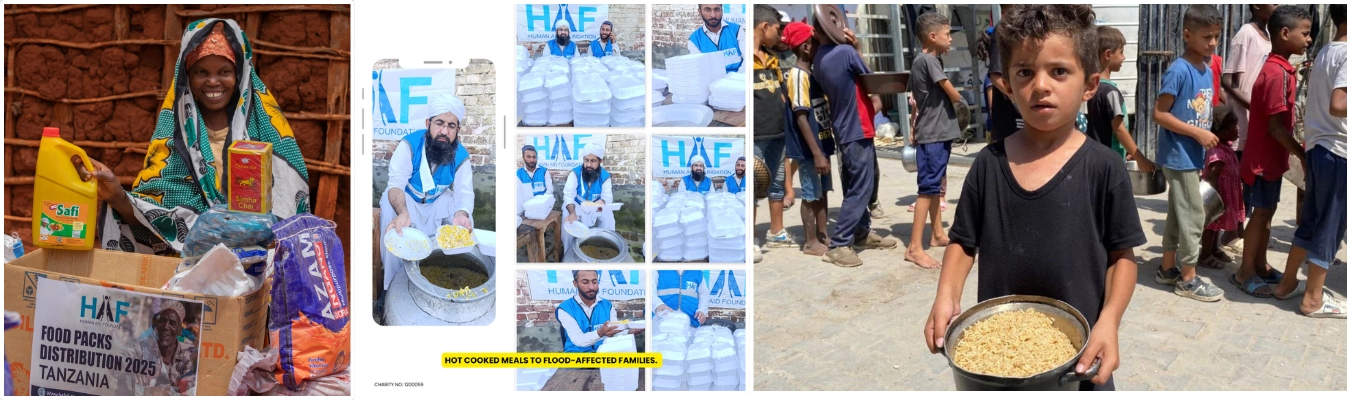
Helping people is an important part of Islam. Some acts of charity meet an urgent need, such as providing a meal or helping a family during a difficult time. Other acts can create benefits that continue for much longer and support people in their daily lives.
Sadaqah Jariyah is one way Muslims can give with the future in mind. It can support projects that continue helping people after the original donation has been made. This article explains its meaning, examples, Islamic importance and how it differs from regular Sadaqah.
What Does Sadaqah Jariyah Mean?
The Sadaqah Jariyah meaning is often explained as ongoing or continuous charity. It is a good deed that keeps providing benefit after the first act of giving. The idea is not only about how much is donated, but about how long the benefit can continue.
The Prophet Muhammad ﷺ said: “When a person dies, their deeds end except three: continuing charity, beneficial knowledge, and a righteous child who prays for them.”
— Sahih Muslim 1631
This hadith shows why ongoing benefit is so important. A water source, a place of learning or another useful community resource may continue serving people for years. As people keep benefiting from it, the original act of charity can continue to have value.
How Ongoing Charity Can Keep Helping People
Long-term charity can make daily life easier for individuals, families and communities. The support may continue even when the donor is no longer directly involved. What matters is that the project remains useful and meets a real need.
For example, a well can provide water for many families, a learning space can support children for years, and a masjid can serve worshippers every day. These are simple ways in which one act of giving can continue to help many people over time.
Examples of Lasting Charity Through HAF
There are many Sadaqah Jariyah examples that can be connected to real community needs. Through HAF, supporters can contribute towards clean water projects, masjid construction, Qur’an schools and tree planting. Each project offers a different type of long-term benefit.
A water project may give families regular access to clean water. A masjid can provide a place for prayer and community activities. Qur’an schools can help children learn, while useful trees may provide shade, fruit or other benefits. These projects show how charity can create practical support that lasts.
What Does Islam Teach About Continuing Charity?
Sadaqah Jariyah in Islam is connected to doing good in a way that brings useful and continuing benefit. Muslims are encouraged to give with sincere intentions and to consider how their support can improve the lives of people in need.
The value is not simply in choosing the biggest project or giving the largest amount. A useful act that meets a genuine need can have a meaningful impact. The reward ultimately comes from Allah, so giving should be sincere, responsible and focused on creating real benefit for others.
What Is the Difference Between Sadaqah and Sadaqah Jariyah?
Regular Sadaqah can meet an immediate need. Giving food to a family, supporting emergency relief or helping someone with essential costs are all valuable acts of charity. They can bring comfort and support at the time they are most needed.
The difference between Sadaqah and Sadaqah Jariyah is mainly how long the benefit continues. Sadaqah may provide immediate help, while ongoing charity is intended to keep benefiting people over time. Both are important in Islam, and both can make a meaningful difference.
How HAF Supports Long-Term Community Projects
HAF supports projects that are designed to meet practical needs and provide continued benefit. This includes work related to water, masjids, Islamic education and other community projects that can support people for the long term.
Supporters do not always need to fund a full project themselves. Smaller contributions can be combined with other donations to help build something useful. This allows people to take part according to their means while still helping create a lasting benefit for others.
Helping for the Long Term
Thoughtful giving is about more than the moment a donation is made. It can also be about what that donation helps to create and how long people may continue to benefit from it.
Choosing a useful and well-planned project can help meet today’s needs while supporting people in the future. For Muslims, this can be a meaningful way to give, help others and seek reward from Allah through an act that continues to bring benefit.