Dhul Hijjah 2026: The 10 Best Days
Dhul Hijjah is the last month of the Islamic calendar, and its first ten days are seen as the best days of the year. These days include the Day of Arafah, Hajj, and Eid al-Adha - some of the biggest acts of worship in Islam.
At Human Aid Foundation, we know many of our donors like to get ready early: arranging Qurbani, planning their giving, and setting worship goals before the month starts, so they can spend the days themselves on worship, not on last-minute planning. This guide explains what Dhul Hijjah is, when the first ten days fall in 2026, why they matter, and how you can make the most of them, including how we can help you turn your good intentions into action.
What Is Dhul Hijjah?
Dhul Hijjah means "the month of pilgrimage." It's the month when Hajj takes place in Makkah, and it ends with Eid al-Adha, when Muslims remember Prophet Ibrahim's (AS) readiness to sacrifice his son to obey Allah.
People who are not doing Hajj can still take part in the blessings of the month through worship, fasting, giving, and remembering Allah, especially in the first ten days. Allah swears by "the ten nights" in Surah Al-Fajr, and many scholars believe this means the first ten days of Dhul Hijjah. The Prophet Muhammad ﷺ said that good deeds done in this time are more loved by Allah than at any other time - so even small things like a short prayer, a page of Qur'an, or a gift through Human Aid Foundation matter more right now.
When Are the 10 Days of Dhul Hijjah 2026?
The Islamic calendar follows the moon, so the dates change each year and depend on when the new moon is seen. Based on current guesses, 1 Dhul Hijjah is expected to fall around 18 May 2026, with the Day of Arafah (9 Dhul Hijjah) around 26 May and Eid al-Adha (10 Dhul Hijjah) around 27 May.
These dates are estimates. Please check the exact dates with your local mosque once the moon has been seen - it's normal for this to be a day different between countries, since some follow local sightings and others follow wider announcements.
If you're planning further ahead, Dhul Hijjah 2027 is expected to start around early May 2027, again depending on the moon. Whichever year you're planning for, Human Aid Foundation opens Qurbani and Dhul Hijjah giving early, so you're never rushing at the last minute.
Why These Ten Days Matter
Few times in the year bring together as much as these ten days do: Hajj, the Day of Arafah, fasting, giving, dhikr, and Qurbani.
The Prophet ﷺ said:
"There are no days in which good deeds are more loved by Allah than these ten days." When his companions asked if even fighting for Allah's cause was equal, he said only someone who went out with their life and money and came back with neither would beat the reward of these days.
That's a strong statement, and it's meant to push us toward simple, everyday acts of worship, not just big ones. Praying on time, reading a bit more Qur'an, being patient with your family, and giving through Human Aid Foundation all count for more right now.
Fasting in the First Nine Days
Fasting in the first nine days of Dhul Hijjah is a Sunnah, not a must. You won't be doing wrong if you skip it, and you don't have to fast all nine days - even one or two is worth a lot. You cannot fast on the 10th day, which is Eid al-Adha.
The most important day to fast is the 9th, known as the Day of Arafah. For anyone not doing Hajj, the Prophet ﷺ taught that fasting this day wipes away the sins of the past year and the year to come. People doing Hajj usually don't fast on this day, so they have the strength for the rituals ahead.
Fasting is not expected from anyone with a good reason not to, such as being ill, travelling, or being pregnant, along with other normal exceptions. If you can't fast, you lose nothing by doing more prayer, Qur'an, giving, dua, or simply being kind to those around you instead. Every honest effort is rewarded based on your intention and ability, and many of our donors choose to mark the Day of Arafah by giving through Human Aid Foundation, on top of fasting or instead of it.
If you do plan to fast, a good meal before dawn helps, along with drinking enough water during the hours you can eat and drink, taking it easy instead of doing too much, and breaking your fast with thanks and dua.
The Prophet Muhammad (ﷺ) regularly fasted during the first nine days of Dhul Hijjah, on the Day of Ashura, and on three days each month, including the first Monday and two Thursdays.
Sunan Abu Dawood, Hadith 2437.
Remembering Allah (Dhikr)
Dhikr is one of the easiest ways to fill these ten days with worship. It costs nothing and can be done anywhere: at home, at work, while travelling, or during Hajj. The most common words to say are SubhanAllah (Glory be to Allah), Alhamdulillah (All praise belongs to Allah), Allahu Akbar (Allah is the Greatest), and La ilaha illallah (There is no god but Allah).
Many Muslims also say the Takbeer after the five daily prayers in the days around Eid al-Adha. This is a common practice, so it's worth checking with your local mosque for the exact words they use.
You don't need a set time or place for this. A few minutes after each prayer, during your commute, or instead of scrolling your phone are all good chances. Small, steady dhikr matters more than long sessions now and then.
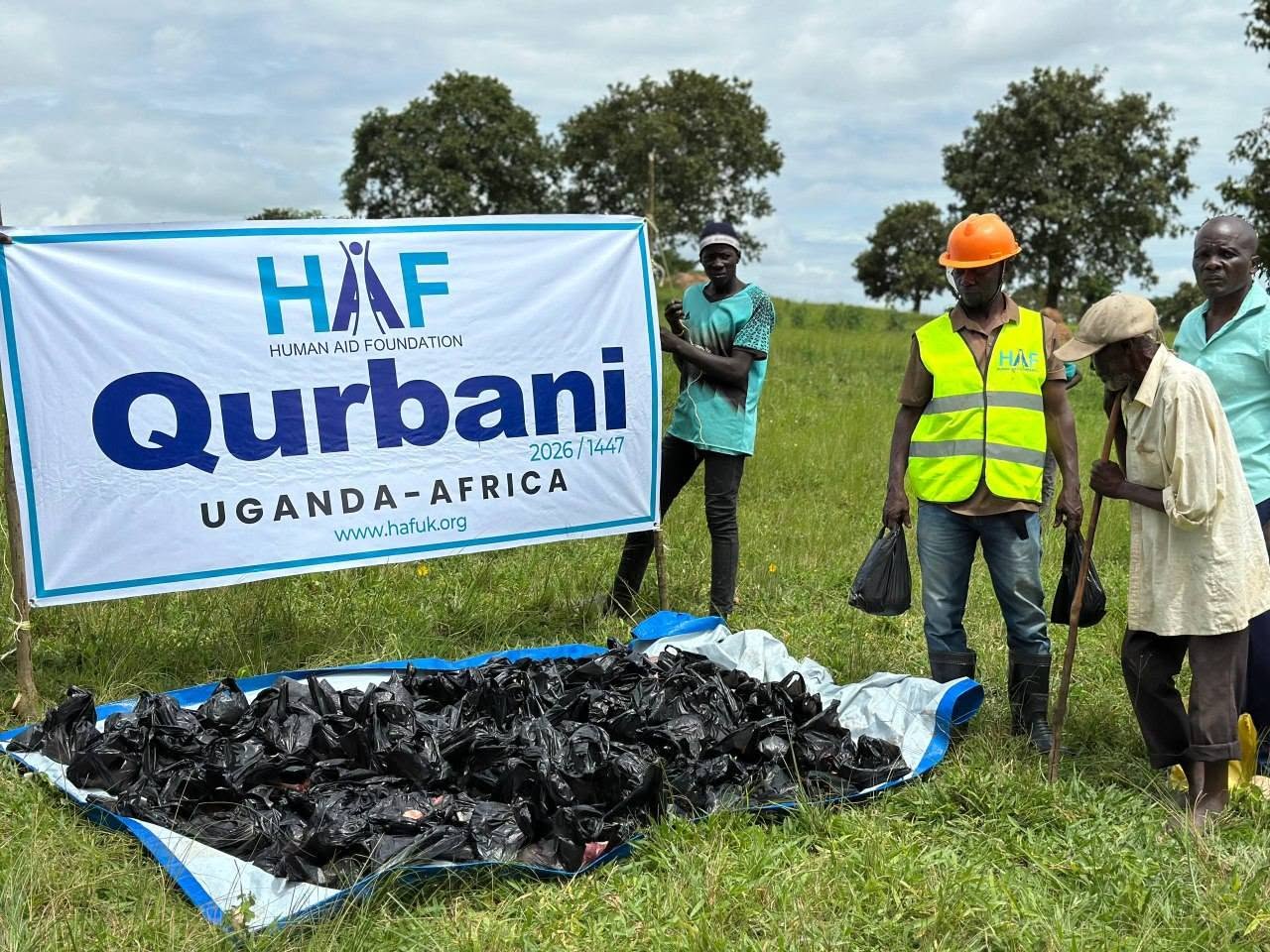
Qurbani: Meaning and How It Works
Qurbani remembers Prophet Ibrahim's (AS) readiness to obey Allah - his willingness to sacrifice his son, before Allah replaced him with a ram. It's an act of thanks and obedience, and the meat is shared with family and, often, with families who are struggling.
The rules on who should give Qurbani are a little different between the main schools of Islamic thought, so if you're not sure whether it applies to you, it's best to ask a trusted local scholar. Qurbani is done after the Eid prayer on 10 Dhul Hijjah, and can carry on over the days that follow.
One thing worth knowing before the month starts: there's a well-known hadith that says anyone planning to give Qurbani should not cut their hair or nails from the start of Dhul Hijjah until after the sacrifice is done. Scholars don't fully agree on whether this is a must or just a good idea, but it's worth following if you can. This doesn't apply if you're not giving Qurbani.
Giving: Why Planning Early Helps
Sorting out your giving, whether Sadaqah, Zakat if it applies to you, or Qurbani, before the month starts means you can spend the ten days on worship, not on paperwork. Through Human Aid Foundation, your gifts during this time go toward food for families in need, clean water projects, helping orphans, supporting widows and struggling communities, and medical or emergency help.
If you'd like giving to become a habit rather than a one-time act, you can set up a small daily gift with us across the ten days. It's a simple way to stay close to worship every day of Dhul Hijjah, and every gift, however small, reaches people who need it.
What to Watch Out For
Along with doing more worship, it's worth being careful about what to avoid, such as talking badly about others, gossip, lying, needless arguments or anger, and time spent on things that give little back. None of this is special to Dhul Hijjah, but the extra reward on offer in these days makes it a good time to clean up your habits. Praying on time, reading a little Qur'an each day, and being kind to family and neighbours go a long way.
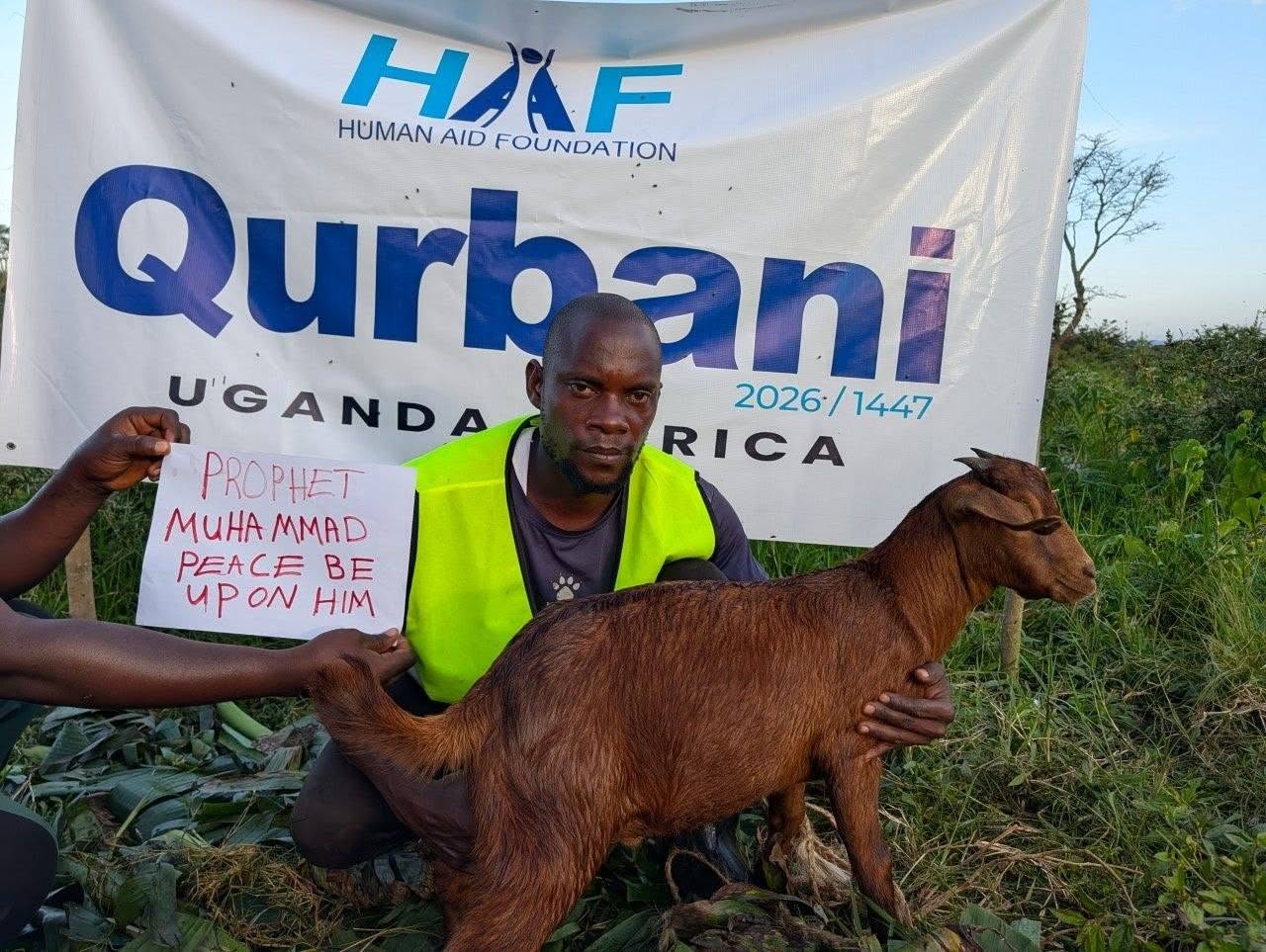
The Story Behind Qurbani
Allah told Prophet Ibrahim (AS) to sacrifice his beloved son. Both father and son agreed to the command right away, and just before the sacrifice, Allah replaced the son with a ram. It's remembered every year through Qurbani and Eid al-Adha as a lasting example of trust, patience, and obedience, and it's the same spirit behind how Human Aid Foundation carries out Qurbani for our donors each year.
Eid al-Adha
Eid al-Adha falls on 10 Dhul Hijjah and marks the end of the ten blessed days. People usually mark it with the Eid prayer, giving Qurbani, visiting family and friends, and sharing meals with thanks. It's also a day when giving stands out clearly, and when you give your Qurbani through Human Aid Foundation, you help make sure families who might otherwise go without can enjoy a good meal too.
Final Thoughts
The first ten days of Dhul Hijjah bring together prayer, fasting, giving, remembrance, and Qurbani like no other time of the year. Whether or not you're doing Hajj, every honest act in this time, no matter how small, carries extra weight.
As Dhul Hijjah 2026 gets closer, it's worth setting a few simple goals early: a bit more Qur'an each day, a small daily habit of giving, and your Qurbani arranged ahead of time. If you'd like help with that last part, Human Aid Foundation is ready to take care of it for you, so you can spend these ten days focused on what matters most.