Muharram 2026: Sacred Month of Allah
Muharram is one of the most sacred and significant months in Islam. As the first month of the Islamic calendar, it marks the beginning of a new Hijri year and offers Muslims an opportunity to reflect on their faith, renew their intentions, and strengthen their relationship with Allah (SWT).
For Muslims in the UK and around the world, Muharram is also a time to consider how they can make a positive difference in the lives of others. Through acts of Sadaqah, supporting vulnerable communities, and helping those facing poverty, hunger, displacement, or hardship, believers can begin the Islamic year with purpose and sincerity.
At Human Aid Foundation, we believe that sacred times provide an opportunity to strengthen not only our connection with Allah (SWT) but also our commitment to helping those most in need. Muharram serves as a reminder that faith and compassion go hand in hand.
The Islamic New Year
Muharram marks the beginning of the Islamic New Year and the first month of the Hijri calendar. The Islamic calendar is based on the lunar cycle and consists of twelve lunar months, making it approximately eleven days shorter than the Gregorian calendar.

Reflecting on the Significance of the Islamic New Year
The arrival of a new Islamic year offers Muslims an opportunity to reflect on the previous year and consider how they can strengthen their faith moving forward.
It is a time to seek forgiveness for past shortcomings, renew intentions, and focus on becoming better servants of Allah (SWT). Just as the Hijrah required faith, perseverance, and sacrifice, Muslims today can draw inspiration from those lessons in their own lives.
The Hijri calendar begins from one of the most significant events in Islamic history: the Hijrah, or migration of Prophet Muhammad ﷺ and his companions from Makkah to Madinah in 622 CE. This journey marked a turning point for the Muslim community and laid the foundations for the first Islamic society.
How To Start the Islamic New Year in 2026
The Hijri calendar begins from one of the most significant events in Islamic history: the Hijrah, or migration of Prophet Muhammad ﷺ and his companions from Makkah to Madinah in 622 CE. This journey marked a turning point for the Muslim community and laid the foundations for the first Islamic society.
The start of Muharram is also an excellent opportunity to establish positive habits such as regular charity, supporting humanitarian causes, helping neighbours, and maintaining family ties. These small but consistent actions can bring lasting blessings throughout the year.
Lessons Muslims Can Learn from the Hijrah
The Hijrah teaches powerful lessons about patience, trust in Allah, resilience, and sacrifice. Despite facing persecution and hardship, Prophet Muhammad ﷺ and his companions remained steadfast in their faith.
These lessons continue to inspire Muslims today to remain hopeful during challenges and to use their abilities and resources to benefit others.
What is Muharram?
Muharram is the first month of the Islamic calendar and one of the four sacred months ordained by Allah (SWT). The word "Muharram" means "forbidden" or "sacred," referring to its honoured status.
As one of the sacred months, Muharram is a time when Muslims are encouraged to increase their worship, seek forgiveness, perform righteous deeds, and avoid wrongdoing.
Meaning of the Word Muharram
The Arabic word Muharram derives from a root word meaning "forbidden" or "sanctified." Historically, warfare was prohibited during the sacred months, emphasising their importance as periods of peace and reflection.
Why Muharram is Called the Sacred Month of Allah
Muharram is uniquely honoured in authentic hadith as "Allah's Month." This special title highlights its elevated status and reminds Muslims of the immense opportunities for spiritual growth during this blessed time.
Muharram's Place in Islamic History
Muharram has witnessed several significant events in Islamic history, including the Hijrah and the Day of Ashura. These events continue to inspire Muslims to uphold justice, faith, perseverance, and devotion to Allah.

What are the Four Sacred Months?
Allah (SWT) has designated four months of the Islamic year as sacred. These months are times of increased spiritual significance and provide believers with opportunities to draw closer to Allah through worship and good deeds.
Names of the Four Sacred Months
1: Muharram
2: Rajab
3: Dhul Qa'dah
4: Dhul Hijjah
These months are specifically mentioned in the Holy Qur'an and have been recognised as sacred since ancient times.
Why These Months are Considered Sacred
The sacred months were established as periods of peace, worship, and spiritual reflection. Muslims are encouraged to increase their acts of obedience and avoid sinful behaviour during these blessed times.
Why These Months are Considered Sacred
Allah (SWT) says:
This verse reminds believers of the importance of honouring these sacred periods through righteous actions.
When is Muharram?
Muharram 1448 AH is expected to begin around 16 June 2026, subject to the sighting of the new moon. Since the Islamic calendar follows the lunar cycle, exact dates may vary between countries and Islamic authorities.
Expected Muharram 2026 Dates
Based on current astronomical calculations:
- 1 Muharram 1448 AH is expected around 16 June 2026.
- Ashura (10 Muharram) is expected around 25 June 2026.
Beginning of the Islamic Year 1448 AH
The beginning of Muharram marks the start of a new Islamic year and provides an opportunity to focus on personal growth, worship, and service to humanity.
How Moon Sighting Determines the Start of Muharram
Islamic months begin when the new crescent moon is sighted. Because moon sightings can differ between locations, some communities may begin Muharram on slightly different dates.
Virtues of Muharram
Muharram is among the most virtuous months in Islam. As one of the sacred months, it offers Muslims numerous opportunities to earn reward through worship, fasting, remembrance of Allah, and helping others.
Muharram in the Quran and Hadith
The significance of Muharram is established in both the Qur'an and the teachings of Prophet Muhammad ﷺ.
The Prophet ﷺ said:
This hadith highlights the special status of Muharram and encourages believers to make the most of its blessings.
Rewards of Good Deeds in Muharram
Sacred months are a time when believers are encouraged to increase acts of worship and righteousness.
Many Muslims use Muharram to strengthen their prayer, increase Qur'an recitation, perform voluntary fasting, and support charitable causes that benefit vulnerable people around the world.
Why Muharram is Known as Allah's Month
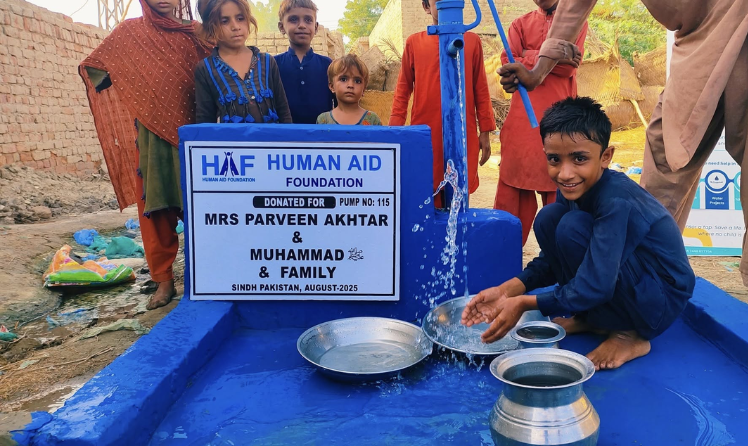
Muharram's unique title as "Allah's Month" reflects its honour and distinction. It serves as a reminder for Muslims to dedicate themselves to worship and compassion. At Human Aid Foundation, we see first-hand how acts of generosity can transform lives. Beginning the Islamic year by helping those facing hunger, poverty, conflict, or displacement is one way many Muslims choose to honour the blessings of this sacred month.
Key Dates in Muharram
Several important dates occur during Muharram, each carrying its own significance and lessons for Muslims.
1st Muharram
The 1st of Muharram marks the beginning of the Islamic New Year.
Although there are no specific acts of worship prescribed exclusively for this day, many Muslims use it as an opportunity to reflect on their faith, seek forgiveness, and make positive intentions for the year ahead.
The Day of Ashura (10th Muharram)
Ashura is one of the most important days in the Islamic calendar.
It commemorates the day on which Allah (SWT) saved Prophet Musa (AS) and the Children of Israel from Pharaoh and his army.
The Prophet Muhammad ﷺ observed fasting on Ashura and encouraged Muslims to fast on this day due to its immense rewards.
Ashura is also remembered as the day on which Imam Hussain (RA), the beloved grandson of Prophet Muhammad ﷺ, was martyred at the Battle of Karbala in 680 CE.
Commemorating Muharram
Muharram is commemorated as one of Islam's sacred months and as a time of reflection, worship, and remembrance.
Why is Muharram Commemorated?
Muharram is honoured because Allah (SWT) designated it as one of the four sacred months. It is also associated with significant historical events that continue to inspire Muslims today.
Remembering the Hijrah of Prophet Muhammad ﷺ
The beginning of the Islamic year reminds Muslims of the Hijrah and the sacrifices made by the Prophet ﷺ and his companions.
Reflecting on Historical Events of Muharram
Muharram encourages believers to reflect on lessons of faith, perseverance, sacrifice, and trust in Allah.
What are the Celebrations of Muharram?
Muharram encourages believers to reflect on lessons of faith, perseverance, sacrifice, and trust in Allah.

Spiritual Practices During Muharram
Muslims often increase their prayers, Qur'an recitation, dhikr, and supplication during this sacred month.
Acts of Worship Encouraged in Muharram
Recommended acts include:
Voluntary fasting
Qur'an recitation
Charity
Dhikr
Dua
Community Gatherings and Religious Observances
Many mosques and Islamic centres in the UK organise educational programmes, lectures, and community events that help Muslims learn more about the significance of Muharram.
Muharram Importance
Muharram holds a special place within the Islamic calendar due to its spiritual, historical, and religious significance.
Why Muharram Holds a Special Place in Islam
It is the first month of the Islamic year and one of the sacred months mentioned in the Qur'an.
Muharram as a Time for Reflection and Renewal
The month encourages Muslims to assess their relationship with Allah and identify ways to improve their worship and character.
Strengthening Faith During the Sacred Month
Through prayer, fasting, charity, and reflection, Muslims can use Muharram as a foundation for a stronger year ahead.
What Happens in Muharram?
Muharram is a month of worship, remembrance, and spiritual growth.
Religious Activities Observed During Muharram
Muslims may attend mosque programmes, engage in additional worship, and learn about the historical significance of the month.
Increased Worship and Charity
Many believers increase their charitable giving during Muharram, recognising it as an opportunity to earn reward and assist those facing hardship.
Human Aid Foundation encourages supporters to use sacred times such as Muharram to extend compassion to vulnerable communities worldwide.
Observance of Ashura Around the World
Muslims around the world observe Ashura through fasting, prayer, remembrance, and reflection.
Observance of Ashura Around the World
Fasting is among the most recommended acts of worship during Muharram.
Fasting During Muharram
Fasting is among the most recommended acts of worship during Muharram.
Importance of Fasting in Muharram
The Prophet ﷺ encouraged voluntary fasting during Muharram and described it as the best fasting after Ramadan.
Sunnah of Fasting on Ashura
Fasting on the Day of Ashura carries immense reward and expiates the sins of the previous year.
Which Days Should Muslims Fast?
Scholars recommend fasting:
- 9th and 10th Muharram, or
- 10th and 11th Muharram
What Happens on 9th Muharram?
The 9th of Muharram is known as Tasu'a.
Understanding the Day of Tasu'a
Many Muslims choose to fast on this day alongside Ashura.
Why Muslims Fast on the 9th of Muharram
The Prophet ﷺ intended to fast on the 9th alongside the 10th in order to distinguish Muslim practice.
Difference Between 9th and 10th Muharram
While Ashura falls on the 10th Muharram, fasting on the 9th is recommended as part of the Sunnah.
History of Muharram
Muharram is deeply connected to major events in Islamic history.
Origins of Muharram in Islamic Tradition
As the first month of the Islamic calendar, Muharram marks the beginning of the Hijri year.
The Migration (Hijrah) and the Islamic Calendar
The Hijrah of Prophet Muhammad ﷺ from Makkah to Madinah became the foundation of the Islamic calendar.
Significant Historical Events in Muharram
Among the most notable events associated with Muharram are Ashura and the Battle of Karbala.
Muharram in the Islamic Calendar
Muharram occupies a unique position in the Islamic lunar calendar.
First Month of the Hijri Calendar
It marks the beginning of each Islamic year.
Difference Between the Islamic and Gregorian Calendars
The Islamic calendar is lunar, causing Islamic months to move through different seasons over time.
How Islamic Months are Calculated
Each month begins with the sighting of the new moon.
Muharram Date Depends on Moon Sighting
Importance of Moon Sighting in Islam
Moon sighting determines the beginning of Islamic months.
Regional Differences in Muharram Dates
Different countries may begin Muharram on slightly different dates depending on moon visibility.
Why Muharram Dates Can Vary Each Year
Because the lunar year is shorter than the solar year, Muharram moves approximately eleven days earlier each year.
Is Muharram a Public Holiday?
Muharram is observed by Muslims worldwide, but public holiday arrangements vary between countries.
Countries that Observe Muharram as a Public Holiday
Several Muslim-majority countries recognise Muharram or Ashura as public holidays.
Ashura Public Holiday Practices
Public observances differ according to local traditions and customs.
Public Holiday Status in Different Regions
In the UK, Muharram is generally not recognised as a public holiday, and normal business and school activities continue.
Muharram in the UK
Muharram is observed by Muslim communities throughout the United Kingdom.
How British Muslims Observe Muharram
Many Muslims attend mosque programmes, observe voluntary fasts, increase worship, and spend time reflecting on the significance of the month.
Muharram Events and Gatherings in the UK
Mosques and Islamic organisations frequently arrange educational talks, Qur'an study sessions, and community programmes.
Fasting and Community Activities During Muharram
Many Muslims also use Muharram as an opportunity to support charitable initiatives, food programmes, and humanitarian projects that benefit vulnerable families.
Mourning of Muharram
Muharram is also associated with the remembrance of Imam Hussain (RA) and the events of Karbala.
Understanding the Historical Significance of Karbala
The Battle of Karbala took place in 680 CE and remains one of the most significant events in Islamic history.
Imam Hussain (RA) and the Day of Ashura
Imam Hussain (RA), the grandson of Prophet Muhammad ﷺ, is remembered for his courage, faith, and commitment to justice.

Different Perspectives on Mourning During Muharram
Muslim communities commemorate Muharram in different ways, but the lessons of patience, sacrifice, integrity, and standing against oppression remain universally respected.
As Muslims reflect on these lessons, many choose to honour them through acts of worship, service, and helping those in need. Through supporting humanitarian efforts and uplifting vulnerable communities, the values of compassion and justice continue to inspire positive action today.