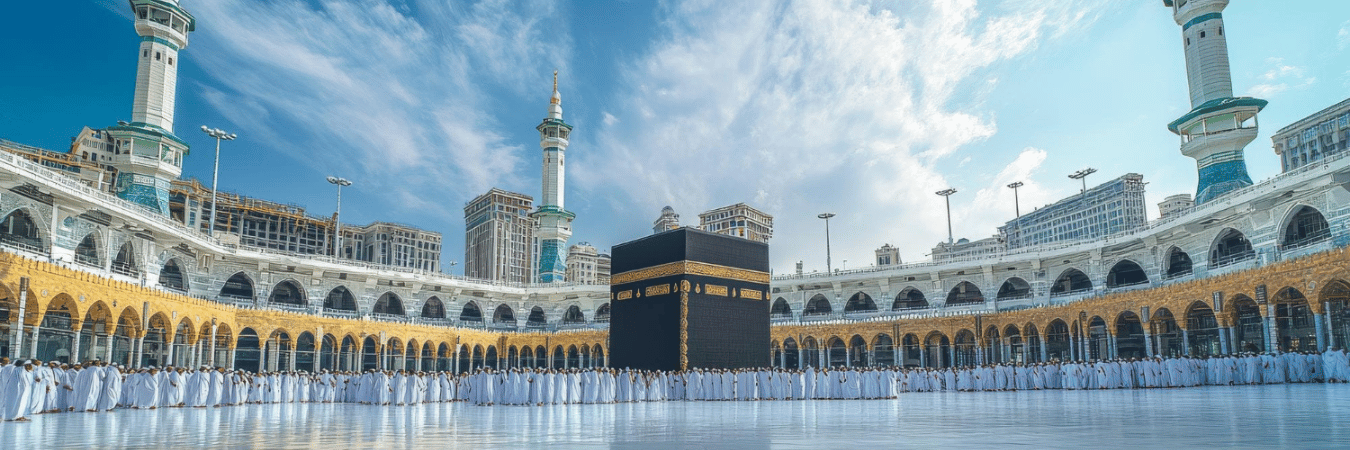
Dhul Qadah 2026: A Month of Peace and Reflection
Dhul Qadah doesn't get the same spotlight as Ramadan or Dhul Hijjah, but it's just as meaningful. It's one of four months Allah (SWT) has specifically honoured as sacred, and for Muslims, that makes it a natural checkpoint - a time to slow down, look inward, and clean up any bad habits before they carry into the next season of worship.
For Muslims in the UK, Dhul Qadah usually arrives quietly, sandwiched between the joy of Eid al-Fitr and the anticipation of Hajj season. But that quietness is exactly the point. It's a month built for reflection rather than celebration.
This guide covers what Dhul Qadah actually means, when it falls in 2026, why it's considered sacred, what happened during this month in Islamic history, and - most importantly - practical ways to make the most of it.
What Is Dhul Qadah? Meaning and Significance
Where Does the Name Come From?
Dhul Qadah (sometimes written Dhul-Qa'dah) is the eleventh month of the Hijri calendar. The name traces back to the Arabic word *qa'ada*, meaning "to sit still" or "to refrain" - in this case, refraining from war.
Long before Islam, Arab tribes observed a truce during this month so people could travel safely, particularly those heading toward Makkah. When Islam arrived, it didn't discard this custom - it preserved it and gave it deeper spiritual purpose. Dhul Qadah became less about a temporary ceasefire and more about a lasting shift in how believers treat one another: with restraint, patience, and peace.
Why Are Four Months Considered Sacred?
The Qur'an is direct about this:
Indeed, the number of months with Allah is twelve [lunar] months in the register of Allah from the day He created the heavens and the earth; of these, four are sacred. That is the correct religion, so do not wrong yourselves during them."
<(Surah At-Tawbah 9:36)
The Prophet Muhammad ﷺ identified these four months as **Dhul Qadah, Dhul Hijjah, Muharram, and Rajab**. Three of them fall back-to-back around the Hajj season - by design, so pilgrims could travel to Makkah, complete their pilgrimage, and return home without fear of conflict along the way.
Scholars like Ibn Kathir explained that the phrase "do not wrong yourselves" isn't a new rule exclusive to these months - injustice is always wrong. But committing it during a month Allah has specifically honoured carries extra weight. The reverse is true too: good deeds done sincerely during this time carry extra meaning.
Where Dhul Qadah Sits in the Islamic Calendar
Since the Hijri calendar follows the moon rather than the sun, Islamic months shift roughly 10–11 days earlier each year on the Gregorian calendar. Dhul Qadah falls right after Shawwal and right before Dhul Hijjah - acting as a bridge between Eid al-Fitr and the Hajj season. For pilgrims, it's prep time. For everyone else, it's a chance to reset intentions, seek forgiveness, and build momentum before Dhul Hijjah's blessed days begin.
Dhul Qadah 2026: Expected Dates
Based on current Islamic calendar projections, Dhul Qadah 2026 is expected to run from Saturday, 18 April to Sunday, 17 May 2026, after which Dhul Hijjah begins.
Keep in mind - these dates are provisional. Like every Islamic month, the actual start depends on the sighting of the new crescent moon, so it could shift by a day depending on your location and which moon-sighting authority your community follows. If you're in the UK, check with your local mosque or a recognised Islamic organisation for the confirmed date rather than relying solely on a calculated calendar.
Why Dhul Qadah Matters So Much in Islam
There are no rituals unique to Dhul Qadah - no fasting requirement, no specific prayer tied only to this month. What makes it significant is its *status*. Being one of the four months Allah singled out as sacred is enough reason for Muslims to pay closer attention to their actions during it.
The historical context matters here too. Even before Islam, Arab tribes respected these months by pausing warfare. Islam kept that tradition and layered it with spiritual meaning - turning a practical truce into an invitation for self-examination.
The Lesson Behind "Do Not Wrong Yourselves
This instruction from Surah At-Tawbah applies year-round, but scholars note it carries added weight during the sacred months. "Wronging yourself" isn't limited to obvious sins - it includes neglecting prayer, being unfair to others, or letting bad habits slide unchecked.
At the same time, this is a two-way street. Just as sins are heavier here, so are good deeds. Prayer, Qur'an recitation, dhikr, kindness, and charity - all things Allah loves throughout the year - carry extra reward when done sincerely during a month He's honoured.
What Muslims Can Take From This Month
At the same time, this is a two-way street. Just as sins are heavier here, so are good deeds. Prayer, Qur'an recitation, dhikr, kindness, and charity - all things Allah loves throughout the year - carry extra reward when done sincerely during a month He's honoured.
- 1. Inner peace. Just as fighting was forbidden during this month historically, it's a good time to consciously avoid arguments, manage anger, and repair strained relationships.
- 2. Patience.. Spiritual growth doesn't happen overnight. Small, consistent effort during Dhul Qadah builds the discipline needed for Dhul Hijjah.
- 3. Preparation.. For anyone planning Hajj, this is the natural window to sort out logistics *and* spiritually prepare - sincere repentance, renewed intention, extra prayer. For everyone else, it's simply a chance to pause and reconnect before the year's busiest worship season arrives.
The Historical Legacy of Dhul Qadah
The Qur'an is direct about this:
The most significant event tied to this month is the **Treaty of Hudaybiyyah**, signed in 6 AH (628 CE). The Prophet Muhammad ﷺ set out from Madinah with roughly 1,400 companions, intending only to perform Umrah - they carried no weapons, since they came in peace. The Quraysh of Makkah still blocked their entry.
What followed was a negotiated peace agreement. On paper, some of its terms looked like a setback for the Muslims. In practice, the treaty opened the door for Islam to spread across Arabia far more effectively than conflict ever could have. The Qur'an later called it a "clear victory" (Surah Al-Fath 48:1) - a reminder that success doesn't always look like success in the moment.
The Prophet's ﷺ Umrahs
Authentic narrations in Sahih al-Bukhari and Sahih Muslim record that the Prophet ﷺ performed several Umrahs during Dhul Qadah, including the *Umrah al-Qada* the year after Hudaybiyyah - fulfilling the pilgrimage that had been delayed.
This is part of why many Muslims today choose to perform Umrah during Dhul Qadah - it's typically far less crowded than the Hajj season. Worth noting: there's no authentic evidence that Umrah in Dhul Qadah carries a reward greater than in other months (Ramadan is the one clear exception). Still, it remains a peaceful, meaningful time to visit Makkah and Madinah.
A Tradition That Outlasted the Era
Before modern travel, reaching Makkah meant weeks or months on foot, camel, or caravan. The sacred-month truce made those journeys survivable - pilgrims could travel without fear of ambush or conflict along the way. That same spirit of peace and patience is what Dhul Qadah still asks of Muslims today.
Practical Ways to Make the Most of Dhul Qadah
There's no checklist of obligations for this month - which is actually freeing. It means you can build a routine that genuinely fits your life, rather than rushing through prescribed rituals.
1. Strengthen Your Daily Prayers
Start with the basics: the five daily prayers on time. From there, add what you can - voluntary (Nafl) prayers, Tahajjud if you're able to wake for it, and a bit more time spent in dua. The Prophet ﷺ taught that Allah loves consistency over intensity - a small deed done regularly beats a big one done once.
2. Spend More Time With the Qur'an
Rather than chasing a page count, aim to actually sit with the meaning. A trusted translation or short tafsir can help you connect verses to your everyday life. Even ten minutes a day, done consistently, adds up to real spiritual benefit by the time Dhul Hijjah arrives.
3. Keep Your Tongue Busy With Dhikr
These are simple, repeatable phrases you can say almost anywhere, throughout your day: *SubhanAllah* (Glory be to Allah), *Alhamdulillah* (All praise is for Allah), *Allahu Akbar* (Allah is the Greatest), *La ilaha illallah* (There is no god except Allah), and *Astaghfirullah* (I seek Allah's forgiveness). Pair this with sincere dua - for yourself, your family, and the wider Muslim community.
4. Turn Back to Allah Through Repentance
Everyone slips up. What matters is the return. Genuine repentance includes feeling real regret for the mistake, actually stopping the behaviour, asking Allah for forgiveness, and committing not to repeat it. This isn't reserved for major sins - regularly seeking forgiveness for the small stuff keeps the heart soft and honest.
5. Give Charity Where You Can
Everyone slips up. What matters is the return. Genuine repentance includes feeling real regret for the mistake, actually stopping the behaviour, asking Allah for forgiveness, and committing not to repeat it. This isn't reserved for major sins - regularly seeking forgiveness for the small stuff keeps the heart soft and honest.
The example of those who spend their wealth in the way of Allah is like a seed of grain that grows seven ears; in every ear are a hundred grains. Allah multiplies the reward for whom He wills."
(Surah Al-Baqarah 2:261)
There's no unique reward tied specifically to giving in Dhul Qadah, but honouring a sacred month with generosity is always a good instinct. For Muslims in the UK, that could look like supporting families facing poverty, helping orphaned children, contributing to emergency relief efforts, funding clean water projects, supporting local education or healthcare initiatives, or backing community projects near you.
If Hajj is on your horizon this year, Dhul Qadah is also your window to learn the rulings, sort logistics, and make sincere dua for an accepted pilgrimage - so that when Dhul Hijjah arrives, you're not starting from zero.
Final Thoughts
Dhul Qadah doesn't ask for grand gestures. It asks for attention - to your prayers, your words, your relationships, and your niyyah (intention). As one of the four months Allah has set apart as sacred, it's less about doing something new and more about doing the basics with more sincerity.
By the time Dhul Hijjah arrives, the habits you've quietly built in Dhul Qadah will make all the difference. May Allah accept our worship, forgive our shortcomings, and grant us the chance to witness many more sacred months. Ameen.
Shawwal
Dhul Hijjah