Shawwal 2026: The Month of Reward
Ramadan ends, and Shawwal - the tenth month of the Islamic calendar - begins. For most Muslims, it's remembered as the month of Eid al-Fitr: a day of celebration, gratitude, and time spent with family. But Shawwal carries more weight than that one day. It's really a test of whether the habits built during Ramadan can survive beyond it.
Ramadan trains patience, discipline, gratitude, and empathy. Believers pray more, read more Qur'an, and become sharply aware of what it means to go without. Shawwal is where that awareness either fades or turns into something lasting.
For Muslims in the UK, this also means the need for charity hasn't gone anywhere. Families still struggling with poverty, orphaned children, refugees, and communities recovering from conflict or disaster don't stop needing help once Eid is over. Organisations like Human Aid Foundation give donors a way to keep that Ramadan generosity going rather than letting it end with the month.
Worship, in other words, was never meant to be seasonal.
What is Shawwal?
Shawwal is the month right after Ramadan on the Islamic lunar calendar, and it opens with the sighting of the new crescent moon - the same sighting that confirms Eid al-Fitr.
Because the Islamic calendar follows the moon rather than the Gregorian year, Shawwal shifts about eleven days earlier each year, gradually moving through every season over time.
Its significance comes largely from what it follows. Shawwal acts as a bridge between the intense spiritual focus of Ramadan and the ordinary rhythm of the rest of the year - a reminder that prayer, charity, and good character don't have an expiry date. The first few days bring celebration; the rest of the month offers quieter opportunities for worship, particularly voluntary fasting.
When is Shawwal 2026?
Shawwal 1447 AH is expected to begin around 20 March 2026 in the UK, though this remains subject to official moon-sighting confirmation. Different countries and Islamic bodies may announce the start slightly differently depending on their own sighting methods - weather, location, and visibility all play a role, so any projected date is provisional until confirmed.
The month is expected to run until around 18–19 April 2026, when the next crescent marks the start of Dhul Qa'dah.
Why Shawwal Matters
Shawwal follows the most blessed month of the Islamic year, and it gives Muslims a chance to prove that the changes made during Ramadan were genuine - not just temporary.
Gratitude sits at the centre of it. After a month of fasting, believers thank Allah for the strength to worship, reflect, and seek forgiveness - and Eid al-Fitr itself is really a celebration of that gratitude.
Consistency matters just as much. Ramadan builds habits of prayer, Qur'an recitation, charity, and self-restraint; Shawwal is the test of whether those habits stick once the structure of Ramadan is gone.
There's also a built-in incentive: extra reward through voluntary acts, the six fasts of Shawwal being the clearest example, strongly encouraged by the Prophet Muhammad ﷺ.
Above all, Shawwal is a reminder that faith isn't measured only by what happens during Ramadan, but by what remains afterward.
The Six Days of Shawwal Fasting
One of the most rewarding practices in this month is fasting six voluntary days after Ramadan. The Prophet Muhammad ﷺ taught that whoever fasts Ramadan and then follows it with six days in Shawwal earns a reward equivalent to fasting an entire year.
These fasts aren't obligatory, and they can't be observed on the day of Eid itself - but they can be taken up any time afterward. That flexibility is part of what makes them practical: the six days can be done back-to-back or spread across the month, fitting around work, study, or family life.
Scholars trace the "year's reward" to the general principle that good deeds are multiplied - so Ramadan's fast plus six more in Shawwal adds up, in reward, to fasting all year. Beyond the spiritual return, these fasts also help keep the discipline of Ramadan from fading too quickly.
What Shawwal Teaches
A few lessons from this month tend to outlast it:
- Consistency - small, steady acts of worship matter more than short bursts of effort followed by neglect.
- Gratitude - for health, food, shelter, and family, things Ramadan makes easy to notice and easy to forget again.
- Compassion -the hunger felt during fasting is a small glimpse into what many people live with every day, and that doesn't stop when Ramadan does.
- Community -checking in on relatives, helping neighbours, and supporting vulnerable people are ordinary parts of faith, not extras.
Together, these point to something simple: faith isn't only personal. It shapes how people treat each other.
Keeping Charity Alive After Ramadan
Generosity is one of the strongest habits Ramadan builds. Across the UK, many Muslims give more during the month - to food programmes, emergency relief, orphan sponsorships, water projects. But none of the problems those programmes address disappear when Ramadan ends.
Shawwal is the moment to turn that seasonal giving into something ongoing. Steady, year-round support lets charities plan further ahead and build projects with lasting impact, rather than relying on short-term spikes.
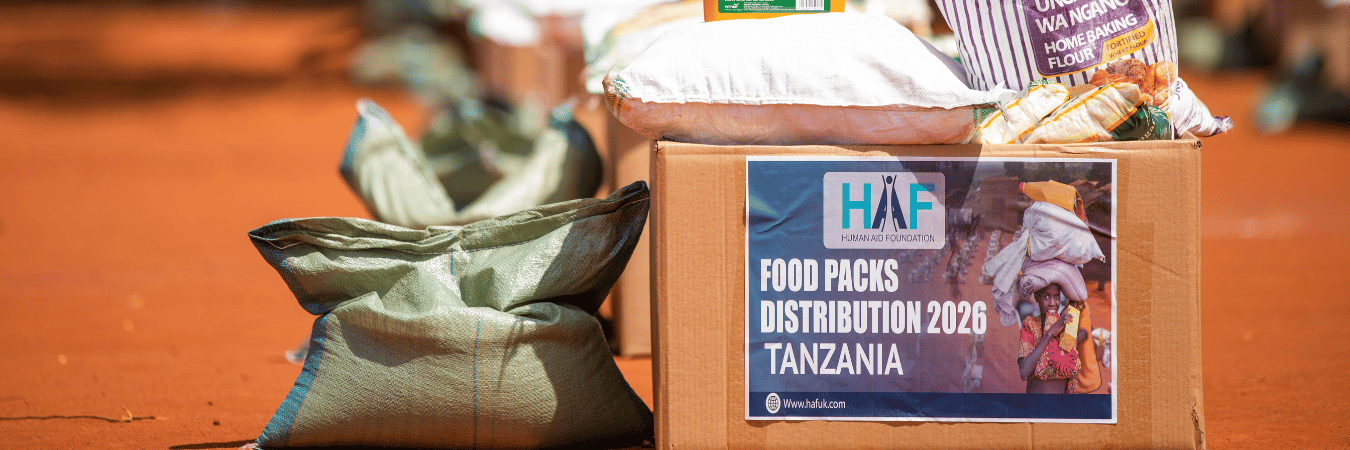
Human Aid Foundation works with UK supporters on exactly this - food assistance, orphan support, clean water, education, and emergency relief - giving donors a way to keep helping well past Eid. Regular Sadaqah in Shawwal is really just an extension of that same spirit.
Worship in Shawwal
Ramadan's end doesn't mean worship winds down. A few things worth keeping up:
- The five daily prayers, which remain the foundation of a believer's connection with Allah.
- Qur'an recitation - many finish the whole Qur'an during Ramadan, and Shawwal is a chance to keep reading and reflecting rather than setting it aside.
- Dhikr and dua, which steady the mind in both hard and easy times.
- The six voluntary fasts, for those who choose to take them on.
- Everyday kindness - visiting the sick, helping a neighbour, checking on someone struggling - all of which count as worship in their own right.
Making Shawwal Meaningful as a UK Donor
For many UK Muslims, this month is a natural point to think about how to keep helping once Ramadan's momentum fades. Setting up regular donations is one of the more practical ways to do it - it gives organisations the stability to plan long-term work instead of reacting month to month.
Human Aid Foundation offers several ways in: emergency food distribution, orphan sponsorship, clean water projects, healthcare support, education, and emergency relief. Committing to something ongoing - even a small monthly amount - keeps that Ramadan spirit of giving alive rather than letting it lapse until next year.
Why It's Called the Month of Reward
Shawwal earns this name largely because of what leads into it. Ramadan is a month of fasting, prayer, Qur'an, charity, and seeking forgiveness - and Shawwal opens with Eid al-Fitr, the celebration marking all of that.
From there, the six voluntary fasts offer another layer of reward, and simply keeping up the habits built in Ramadan - prayer, charity, kindness, remembrance - reflects a sincerity that goes beyond the month itself.
So Shawwal isn't just a celebration tacked onto the end of Ramadan. It's an invitation to build on what came before it.
Beyond Eid: What Shawwal Asks of Us
Shawwal 2026 is more than "the month after Ramadan." It's a reminder that worship, gratitude, and generosity aren't meant to be confined to thirty days a year.
It opens with Eid al-Fitr and continues with chances for voluntary fasting, prayer, reflection, and service to others - all pointing toward the same idea: consistency matters more than intensity.
For Muslims in the UK, it's also a chance to keep supporting people facing hardship around the world. Through organisations like Human Aid Foundation, that support can continue in the form of food, clean water, education, healthcare, and emergency relief - long after Eid celebrations have wound down.
Compassion, gratitude, and service were never meant to end with Ramadan. Shawwal is simply the reminder to carry them forward.
Ramadan
Dhul Qadah