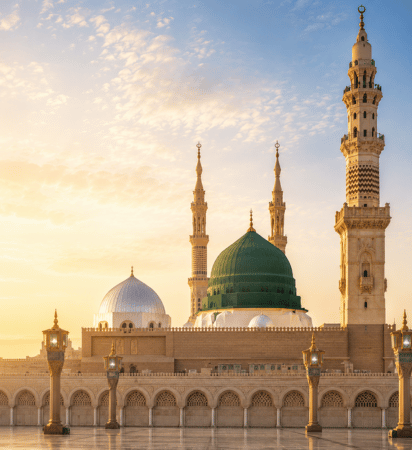
Safar 2026: A Month of Significance
As the Islamic New Year begins with the sacred month of Muharram, Muslims soon enter Safar, the second month of the Islamic calendar. While Safar is not one of the four sacred months and carries no specific religious obligations, it remains a valuable period for reflection, gratitude, and personal growth.
Unfortunately, throughout history, various misconceptions have become associated with Safar. Islam, however, teaches believers to place their trust in Allah alone and reject superstitions. Every month is part of Allah's divine plan, and every day presents an opportunity to strengthen faith, perform good deeds, and serve humanity.
For Muslims in the UK and around the world, Safar can be a time to continue the positive habits established during Muharram, increase acts of kindness, support those in need, and seek closeness to Allah through sincere worship.
When is Safar 2026?
Safar 1448 AH is expected to begin on or around 15 July 2026, subject to the official sighting of the moon. As the Islamic calendar follows lunar cycles, the exact dates may vary slightly between countries and communities.
Expected Start and End Dates of Safar 1448 AH
Based on current Islamic calendar projections, Safar is expected to last approximately 29 or 30 days. Muslims should refer to their local Islamic authorities for confirmed dates.
Why Safar Dates May Differ Across Countries
Differences in moon sighting methodologies can result in slight variations in the beginning and end of Islamic months. This diversity has existed throughout Islamic history and reflects the global nature of the Muslim Ummah.
How the Islamic Calendar Determines Safar
Unlike the Gregorian calendar, the Islamic calendar is based on lunar months. Each month begins with the sighting of the new crescent moon, making the Hijri calendar approximately eleven days shorter than the solar calendar.
Islamic Events in the Month of Safar
Although Safar is not associated with major annual religious observances, Islamic history records several significant events that occurred during this month. These events remind Muslims of the sacrifices, patience, and resilience demonstrated by the Prophet Muhammad ﷺ and his companions.
Historic Milestones That Shaped the Muslim Ummah
During the early years of Islam, numerous expeditions and community-building efforts took place throughout the Islamic calendar, including during Safar. These events contributed to the establishment of justice, unity, and security for the growing Muslim community.
Key Prophetic Expeditions During Safar
Historical sources mention expeditions led or authorised by the Prophet Muhammad ﷺ during Safar. These journeys were often undertaken to protect Muslim communities, establish peaceful relations, and maintain stability in the region.
Timeless Lessons from Events of Safar
The events associated with Safar offer timeless reminders of perseverance, trust in Allah, and commitment to serving others despite challenges. These values remain relevant for Muslims today, particularly when supporting vulnerable communities facing hardship.
Safar Month Importance
Safar holds importance not because of unique rituals or celebrations, but because of the lessons it offers believers. It encourages Muslims to continue their spiritual journey beyond Muharram and maintain consistency in worship and good character.
Why Safar Deserves Reflection and Gratitude
Every Islamic month provides opportunities to draw closer to Allah. Safar serves as a reminder that faith is not limited to special occasions but should be reflected in everyday actions and intentions.
The Spiritual Significance of the Second Islamic Month
As the second month of the Hijri year, Safar provides an opportunity to evaluate personal goals, strengthen religious commitments, and renew intentions for the months ahead.
Understanding Safar Through the Quran and Sunnah
Islamic teachings emphasise that no month possesses independent power to bring harm or benefit. Muslims are encouraged to place complete trust in Allah, seek His guidance, and remain steadfast in worship throughout the year.
Safar Dua
Many Muslims search for a special dua for Safar. However, there is no authentic supplication prescribed exclusively for this month.
Authentic Supplications for Protection and Guidance
Believers are encouraged to regularly recite authentic duas seeking Allah's protection, mercy, guidance, and forgiveness throughout the year.
Seeking Allah's Mercy Throughout Safar
Safar provides an opportunity to increase personal supplication, asking Allah for success in this life and the next, while praying for the wellbeing of family, community, and the wider Ummah.
Daily Adhkar to Strengthen Faith During Safar
Morning and evening adhkar, Quran recitation, and regular remembrance of Allah help strengthen faith and bring peace to the heart regardless of the month.
What Is Special About the Month of Safar?
Safar's significance lies not in superstition or fear but in the opportunity it provides for reflection, worship, and positive action.
Separating Facts from Cultural Misconceptions
Some cultures have historically viewed Safar as an unlucky month. Islamic teachings reject such beliefs and encourage reliance on Allah alone.
How the Prophet ﷺ Viewed the Month of Safar
The Prophet ﷺ taught Muslims to avoid superstitions and trust in Allah's decree. No authentic evidence suggests that Safar is inherently unfortunate.
Opportunities for Growth and Renewal in Safar
Safar can be used as a time to strengthen relationships, improve character, increase worship, and contribute positively to society.
What Do You Do in Safar?
Muslims observe Safar as they would any other month of the Islamic calendar.
Practical Ways to Increase Your Worship
Maintaining the five daily prayers, reading the Quran, making dhikr, and seeking knowledge are all valuable acts during Safar.
Building Consistent Habits of Faith
Small, regular acts of worship often have a lasting impact. Safar is an ideal time to continue beneficial habits developed during Muharram.
Turning Good Intentions into Meaningful Action
Faith is strengthened through action. Volunteering, supporting charitable causes, helping neighbours, and caring for those in need are practical ways to live Islamic values.
What Are the White Days of Safar?
The White Days refer to the 13th, 14th, and 15th days of each Islamic month.
The Virtues of Fasting the White Days
Many Muslims choose to fast these days as a voluntary act of worship and spiritual discipline.
White Days of Safar 1448 AH Explained
The White Days occur every lunar month, including Safar, offering believers a regular opportunity to earn reward through voluntary fasting.
Spiritual Rewards of Voluntary Fasting
Voluntary fasting encourages self-discipline, gratitude, patience, and mindfulness of Allah.
“The Prophet Muhammad ﷺ said: ‘There is no bad omen in the month of Safar"-
Sahih al-Bukhari (5707); Sahih Muslim (2220)
Voluntary fasting encourages self-discipline, gratitude, patience, and mindfulness of Allah.
What Does Safar Mean in Islam?
The word Safar has linguistic and historical roots dating back to pre-Islamic Arabia.
The Origin and Meaning of the Word Safar
Scholars commonly explain that the word is linked to the concept of emptiness, referring to homes being left vacant as people travelled in search of provisions.
Safar's Place in Islamic Tradition
Islam recognises Safar as the second month of the Hijri calendar without attaching any special blessings or misfortunes to it.
What Muslims Should Know About This Sacred Time
The most important lesson of Safar is to reject superstition, embrace faith, and continue striving for righteousness throughout the year.

Muharram
Rabi Al-Awwal