Sha'ban 2026: Preparing for Ramadan
As Muslims eagerly await the arrival of Ramadan, much attention is often given to the sacred month of fasting while the month that precedes it receives far less consideration. Sha'ban, the eighth month of the Islamic calendar, is frequently described as the neglected month because it falls between Rajab and Ramadan. Yet, despite being overlooked by many, it was a month greatly valued by the Prophet Muhammad ﷺ.
Sha'ban offers believers a unique opportunity to prepare spiritually, mentally, and practically for Ramadan. It is a time for increasing worship, seeking forgiveness, strengthening one's relationship with Allah, and developing habits that can continue throughout the holy month. It is also a reminder that faith is not limited to personal worship alone. Islam encourages believers to combine devotion with compassion, making Sha'ban an ideal time to support those facing hardship before Ramadan begins.
For Muslims in the UK, Sha'ban 2026 presents an opportunity not only to prepare for Ramadan but also to make a meaningful difference through charitable giving. By supporting the work of Human Aid Foundation, donors can help vulnerable families, orphaned children, and communities in need welcome Ramadan with dignity and hope.
What is Sha'ban?
Understanding the Blessed Month Between Rajab and Ramadan
Sha'ban is the eighth month of the Islamic Hijri calendar and comes immediately before Ramadan. While it is not one of the four sacred months in Islam, it occupies a special position because of its close connection to the month of fasting.
Many Muslims focus their attention on Rajab because of its sacred status and on Ramadan because of its immense blessings. As a result, Sha'ban is often overlooked. However, the Prophet Muhammad ﷺ highlighted its significance when he described it as a month that many people neglect.
Far from being an ordinary month, Sha'ban serves as a bridge between Rajab and Ramadan. It provides believers with an opportunity to strengthen their worship, increase good deeds, and prepare their hearts for the spiritual journey ahead.
The Meaning of Sha'ban
The word "Sha'ban" comes from an Arabic root that refers to dispersing or separating. Historically, Arab tribes would disperse during this month to search for water and resources. In Islamic tradition, however, Sha'ban became known for its spiritual significance rather than its historical origins.
For Muslims today, Sha'ban represents a time of preparation, reflection, and renewal. It encourages believers to evaluate their relationship with Allah and make positive changes before Ramadan arrives.
Why Muslims Should Rediscover Sha'ban
In today's busy world, many people move directly from Rajab to Ramadan without giving much thought to Sha'ban. Yet the Prophet ﷺ devoted considerable attention to this month.
Rediscovering Sha'ban means taking advantage of an opportunity that many others overlook. It is a chance to seek forgiveness, strengthen faith, increase worship, and prepare for Ramadan in a way that allows believers to gain the maximum benefit from the holy month.
When is Sha'ban 2026?
Expected Dates for Sha'ban 1447 AH
Sha'ban 1447 AH is expected to begin on or around 20 January 2026 and continue until approximately 18 February 2026, depending on the sighting of the moon.
As with all Islamic months, these dates remain subject to confirmation through moon sighting and may vary slightly across different countries and communities.
Why Moon Sighting Matters
The Islamic calendar follows the lunar cycle, meaning each month begins with the sighting of the new crescent moon. Because lunar months are either 29 or 30 days long, exact dates cannot be confirmed in advance.
This system has been followed since the time of the Prophet Muhammad ﷺ and remains an important part of Islamic tradition today.
Preparing Early for Ramadan
This system has been followed since the time of the Prophet Muhammad ﷺ and remains an important part of Islamic tradition today.
Key Dates in Sha'ban
The White Days of Sha'ban
Among the most significant days of Sha'ban are the White Days, known as Ayyam al-Beed. These are the 13th, 14th, and 15th days of the lunar month.
The Prophet ﷺ encouraged fasting on these days throughout the year. Observing them during Sha'ban allows Muslims to combine the rewards of a beloved Sunnah with the blessings of a special month.
The 15th Night of Sha'ban
The middle night of Sha'ban, often referred to as Nisf Sha'ban or Laylat al-Bara'ah in many Muslim communities, is a time that many believers dedicate to worship, reflection, and supplication.
While scholars differ regarding specific practices associated with this night, it remains an opportunity to engage in sincere dua, seek forgiveness, and strengthen one's connection with Allah.
Why is Sha'ban Important?
A Month Loved by the Prophet ﷺ
The significance of Sha'ban can be understood through the actions of the Prophet Muhammad ﷺ. Aisha (RA) reported that she never saw the Messenger of Allah ﷺ fast more in any month than he fasted in Sha'ban.
His example demonstrates that Sha'ban was not simply a waiting period before Ramadan. Rather, it was a month of worship, devotion, and preparation.
A Time for Spiritual Growth
Every Muslim hopes to experience a productive Ramadan filled with worship and blessings. Sha'ban helps believers achieve this goal by providing an opportunity to strengthen habits before Ramadan begins.
Whether through prayer, fasting, Qur'an recitation, or charity, the month encourages gradual spiritual growth rather than sudden change.
A Month of Reflection and Renewal
Sha'ban offers an opportunity to reflect on the past year and seek Allah's forgiveness. It allows believers to identify weaknesses, renew intentions, and commit themselves to positive change before Ramadan arrives.
Celebrating Sha'ban Through Worship
Strengthening Your Connection with Allah
The best way to honour Sha'ban is through sincere worship. Unlike cultural celebrations, the focus of Sha'ban is on drawing closer to Allah through prayer, remembrance, and obedience.
Believers can use this month to improve concentration in Salah, spend more time reciting the Qur'an, and increase acts of remembrance.
Learning More About the Sunnah
Sha'ban is also an excellent time to learn about the life and teachings of the Prophet ﷺ. Studying his character and implementing his Sunnah helps Muslims prepare spiritually for Ramadan while deepening their understanding of Islam.
Building Consistency Before Ramadan
One of the greatest lessons of Sha'ban is the importance of consistency. Small acts of worship performed regularly are beloved to Allah and often lead to lasting positive change.
Celebrate Sha'ban by Giving Sadaqah
Preparing Others for Ramadan
One of the greatest lessons of Sha'ban is the importance of consistency. Small acts of worship performed regularly are beloved to Allah and often lead to lasting positive change.
Giving Sadaqah during Sha'ban allows believers to help vulnerable communities before Ramadan begins.
Supporting Human Aid Foundation's Humanitarian Work
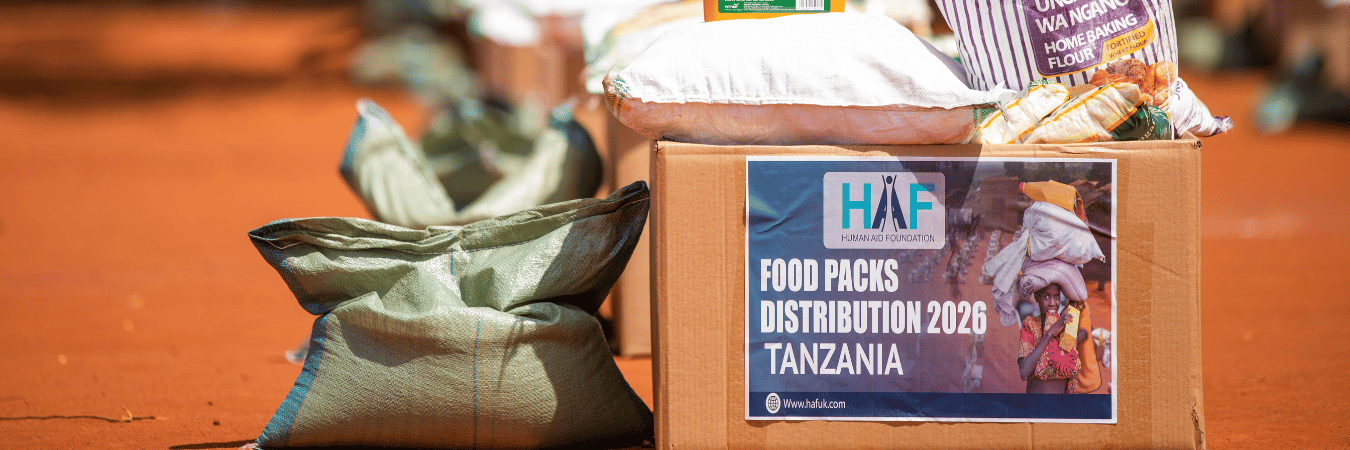
During Sha'ban, Human Aid Foundation begins preparing many of its Ramadan initiatives. Early donations help ensure that essential aid reaches families before the blessed month starts.
Through the support of generous donors, Human Aid Foundation works to provide food assistance, clean water, orphan support, emergency relief, healthcare initiatives, and sustainable development projects in some of the world's most vulnerable communities.
Making a Difference Before Ramadan Arrives Work
During Sha'ban, Human Aid Foundation begins preparing many of its Ramadan initiatives. Early donations help ensure that essential aid reaches families before the blessed month starts.
For UK donors, supporting Human Aid Foundation during Sha'ban is a meaningful way to transform spiritual preparation into practical compassion.
Dua, Tasbeeh and Hadiths for Sha'ban
Increasing Dua During Sha'ban
There is no authentic evidence for a specific dua exclusively associated with Sha'ban. However, believers are encouraged to increase supplication throughout the month.
Sha'ban is an ideal time to ask Allah for forgiveness, guidance, good health, and the opportunity to reach Ramadan in a state of faith.
The Importance of Dhikr
Remembering Allah regularly helps prepare the heart for Ramadan. Reciting phrases of praise and gratitude strengthens faith and keeps believers mindful of their Creator throughout the day.
Authentic Hadiths About Sha'ban
The virtues of Sha'ban are established through authentic hadiths. The Prophet ﷺ described it as a neglected month in which deeds are presented to Allah and increased his fasting throughout the month. These narrations highlight the importance of using Sha'ban as a period of preparation and devotion.
Fasting in Sha'ban
Following the Example of the Prophet ﷺ
Fasting is among the most important acts of worship associated with Sha'ban. The Prophet ﷺ fasted more during this month than in any other month outside Ramadan.
His example encourages Muslims to increase voluntary fasting as a means of drawing closer to Allah.
Preparing for Ramadan Through Fasting
Fasting during Sha'ban helps believers prepare physically and spiritually for Ramadan. It develops self-discipline, patience, gratitude, and mindfulness while allowing the body to adjust gradually to fasting.
The Benefits of Voluntary Fasting
Voluntary fasting provides an opportunity to earn reward, strengthen faith, and develop greater self-control. It also serves as a reminder of the blessings that many people take for granted.
Can I Fast Any Day in Sha'ban?
Muslims may fast on most days throughout Sha'ban according to their ability and circumstances. Many choose to fast Mondays and Thursdays, following the Sunnah of the Prophet ﷺ, while others observe the White Days.
The purpose of fasting in Sha'ban is not hardship but preparation and devotion. Consistency and sincerity are more important than the number of days fasted.
Do You Have to Fast All Three White Days of Sha'ban?
The White Days are a highly recommended Sunnah, but they are not obligatory. Those who are able should strive to fast all three days, while those who cannot may still fast one or two days and hope for reward from Allah.
Islam encourages believers to worship according to their capacity while maintaining sincerity and balance.
Virtues of Sha'ban
Sha'ban is a month rich in opportunities for spiritual growth. It is a time for seeking forgiveness, strengthening worship, increasing charity, and preparing for Ramadan.
Because many people overlook Sha'ban, those who dedicate themselves to worship during this month can benefit from a unique opportunity to earn reward through acts of devotion that others may neglect.
The month reminds believers that success in Ramadan often begins long before the first fast. By preparing during Sha'ban, Muslims can enter Ramadan with stronger faith, better habits, and a clearer sense of purpose.
Importance of Sha'ban Month in Islam
Sha'ban occupies a unique position within the Islamic calendar. It is a month that connects the sacred atmosphere of Rajab with the immense blessings of Ramadan.
The Prophet ﷺ honoured this month through fasting and increased worship, teaching Muslims that preparation is essential for spiritual success. Through reflection, repentance, and devotion, believers can use Sha'ban to strengthen their relationship with Allah before Ramadan arrives.
Islamic Events in Sha'ban
The most significant events associated with Sha'ban revolve around worship and preparation rather than historical celebrations. The month is remembered for the increased fasting of the Prophet ﷺ, the presentation of deeds to Allah, and the opportunities it provides for believers to renew their faith.
For Muslims today, the lessons of Sha'ban remain as relevant as ever. It teaches preparation, consistency, sincerity, and compassion-qualities that form the foundation of a successful Ramadan.
How Human Aid Foundation Helps Communities Before Ramadan
As Ramadan approaches, many vulnerable families face uncertainty about how they will obtain food, clean water, healthcare, and other essentials.
Through food aid programmes, orphan sponsorship initiatives, water projects, healthcare support, emergency relief efforts, and sustainable development work, Human Aid Foundation helps transform the generosity of UK donors into life-changing support for vulnerable communities.
By contributing during Sha'ban, donors become part of a collective effort to bring relief, dignity, and hope to families preparing for Ramadan under difficult circumstances.
Conclusion
Sha'ban 2026 is much more than the month before Ramadan. It is a precious opportunity to seek forgiveness, strengthen worship, increase voluntary fasting, and prepare for one of the most blessed periods of the Islamic year.
The Prophet Muhammad ﷺ recognised the importance of this often-neglected month and dedicated himself to increased worship during its days. His example reminds Muslims that spiritual success begins with preparation.
As you prepare for Ramadan, consider not only your own worship but also the needs of those less fortunate. Through the work of Human Aid Foundation, UK donors can help provide food, clean water, orphan support, healthcare, and emergency relief to vulnerable communities around the world.
May Allah accept our worship during Sha'ban, allow us to reach Ramadan in good health and faith, and make us among those who use this blessed month to benefit both ourselves and others. Ameen.