Kafalah
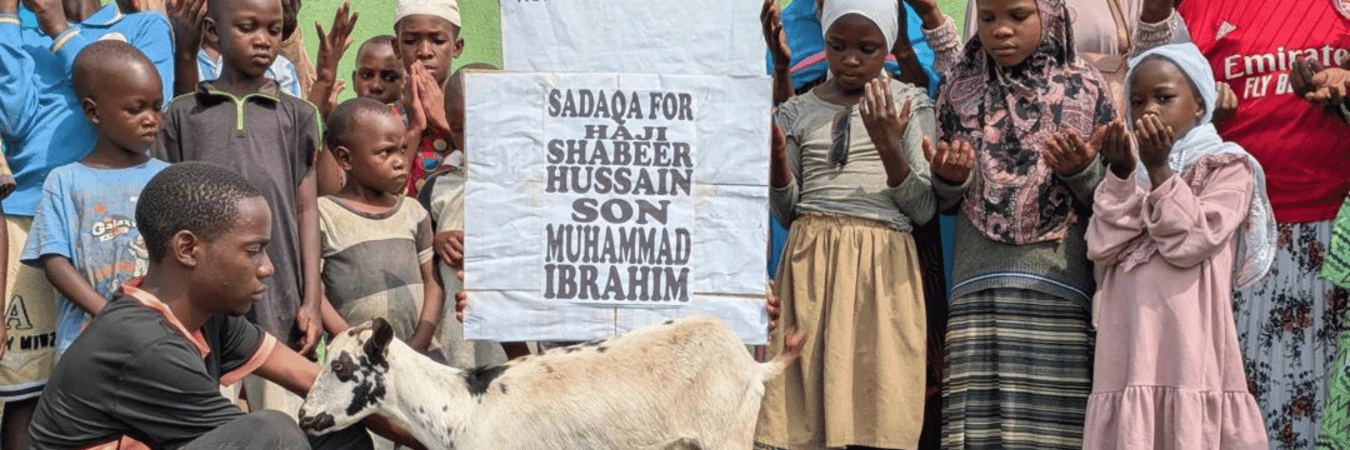
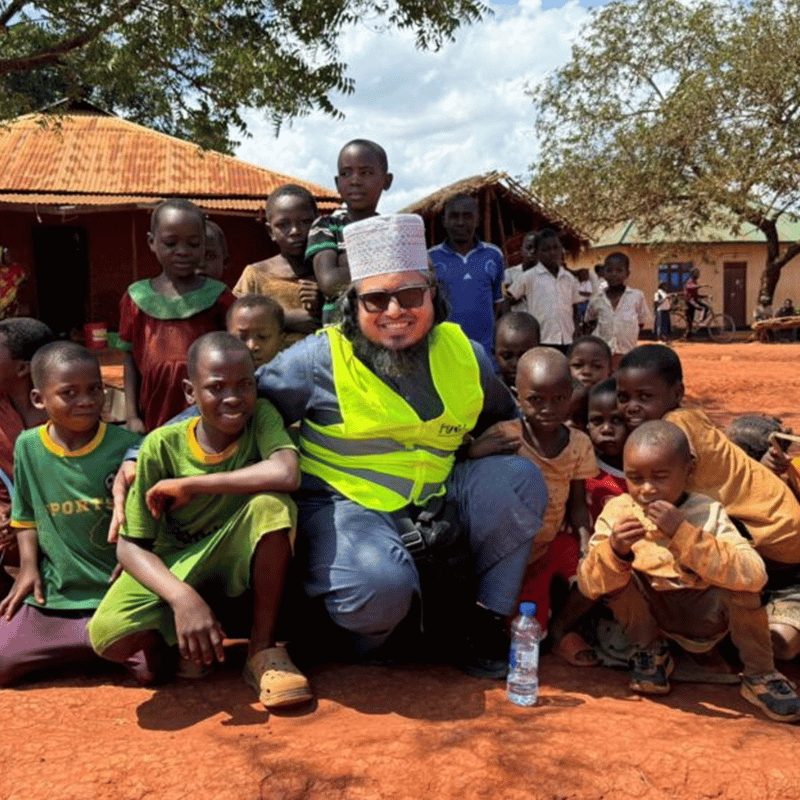
Kafalah means taking responsibility for someone, and it is the word used for caring for an orphan. In Britain it usually takes the form of orphan sponsorship: regular payments covering a child's food, schooling and healthcare. The child stays with their family and keeps their own name.
HAF runs this through its Orphan Sponsorship appeal.
What the Word Means
Kafalah comes from a root meaning to take charge of something, to stand behind it, to be answerable for it. The person doing it is the kafil.
The word appears in the Qur'an in exactly this sense. When Maryam was placed in the care of the temple, the account says that Zakariyya took charge of her (Qur'an 3:37). That is the same word, describing one person taking responsibility for a child who was not his own.
One thing the word does not mean is "slaughter". The killing is not the point of it, as the next section makes clear.
What the Qur'an and Sunnah Say
The Qur'an returns to orphans repeatedly, and usually in the context of protection rather than charity. It instructs that orphans be given their property and that nothing of value be quietly swapped for something worse (Qur'an 4:2). It warns those who consume an orphan's wealth unjustly (Qur'an 4:10). It tells the Prophet ﷺ, who had been an orphan himself, not to treat the orphan harshly (Qur'an 93:9). And where guardians mix an orphan's affairs with their own household, it reminds them that setting things right is what matters, because these are their brothers (Qur'an 2:220).
The best-known hadith on the subject is short. The Prophet ﷺ said that he and the person who looks after an orphan would be like this in Paradise, and he held up his index and middle fingers, slightly apart (Sahih al-Bukhari 5304). In the version reported in Sahih Muslim he added that it applies whether the child is a relative or not.
Notice what is being promised. Not a reward that can be counted, but nearness.
What Sponsorship Covers
The arrangement most UK charities offer is a monthly payment, usually to a child living with their mother or wider family rather than in an institution.
It typically covers food, school fees and materials, clothing, and basic healthcare. Some programmes add the mother's income support, on the reasonable view that a stable household is what actually protects a child.
Keeping a child with their family where possible is the preferred approach among aid organisations, and it matches the Qur'anic instruction to guardians: put things right for them, and treat them as your own without pretending they are.
Kafalah Is Not Adoption
The two are often confused, and the difference is real.
Adoption in the Western legal sense transfers parentage. The child takes the new family's name, becomes their legal child and inherits as one.
Kafalah does not do that. The child keeps their own father's name and their own lineage. The Qur'an is explicit on this point, instructing that children be called by the names of their fathers (Qur'an 33:5). The sponsor takes responsibility for the child's welfare without becoming their parent on paper.
This is why kafalah is recognised internationally as a distinct arrangement rather than being treated as adoption. It also means a sponsored child does not automatically inherit from a sponsor, though a bequest can be left within the limits Islamic inheritance allows.
Anyone thinking of bringing a child into their home under a kafalah arrangement from another country should take proper legal advice. UK law handles this differently from adoption, and the paperwork matters.
The Same Word, Two Other Uses
You may come across kafalah elsewhere and wonder if it is connected.
In Islamic finance it means a guarantee: one party standing behind another's obligation, rather like a guarantor on a tenancy. Same idea of taking responsibility, entirely different setting.
It is also the name given to a labour sponsorship system used in some Gulf countries, under which a worker's residency is tied to an employer. That system has been the subject of considerable debate and reform. It shares the word but has nothing to do with orphan care, and no Islamic charity means it when using the term.
Frequently Asked Questions
Often yes, but not automatically. Being an orphan is not by itself one of the eight groups who may receive Zakat. Poverty is. So Zakat may support an orphan who is poor, which describes almost every child in these programmes, but an orphan from a comfortable family would not qualify. Ask a charity whether its sponsorship is Zakat-eligible before assuming.
This varies by organisation. Some assign a named child and send updates, photographs or letters; others pool funds across a group. Neither approach is more correct, and pooling can be fairer where some children are chosen more quickly than others. Ask what a charity does before signing up if it matters to you.
Sponsorship ends, usually in the mid to late teens, because orphanhood in Islamic terms ends at adulthood. Good programmes prepare for this with schooling, training or help into work rather than simply stopping. It is worth asking a charity what happens at that point.
Formal sponsorship programmes tend to operate overseas, where a modest monthly amount covers a child's essentials. Children in the UK who have lost a parent are supported through the care and benefits system. That does not mean there is no need here, only that it usually takes a different form, such as help through local charities and mosques.
For sponsorship funded by voluntary charity, no. Sadaqah may go to anyone in need regardless of faith. Zakat is generally restricted to Muslim recipients, so if you are paying from Zakat specifically, that restriction applies. Charities working in mixed communities usually keep the two funds separate for this reason.
Kafalah Is Not Adoption
The two are often confused, and the difference is real.
Adoption in the Western legal sense transfers parentage. The child takes the new family's name, becomes their legal child and inherits as one.
Kafalah does not do that. The child keeps their own father's name and their own lineage. The Qur'an is explicit on this point, instructing that children be called by the names of their fathers (Qur'an 33:5). The sponsor takes responsibility for the child's welfare without becoming their parent on paper.
This is why kafalah is recognised internationally as a distinct arrangement rather than being treated as adoption. It also means a sponsored child does not automatically inherit from a sponsor, though a bequest can be left within the limits Islamic inheritance allows.
Anyone thinking of bringing a child into their home under a kafalah arrangement from another country should take proper legal advice. UK law handles this differently from adoption, and the paperwork matters.
You may come across kafalah elsewhere and wonder if it is connected.
In Islamic finance it means a guarantee: one party standing behind another's obligation, rather like a guarantor on a tenancy. Same idea of taking responsibility, entirely different setting.
It is also the name given to a labour sponsorship system used in some Gulf countries, under which a worker's residency is tied to an employer. That system has been the subject of considerable debate and reform. It shares the word but has nothing to do with orphan care, and no Islamic charity means it when using the term.
Frequently Asked Questions
Often yes, but not automatically. Being an orphan is not by itself one of the eight groups who may receive Zakat. Poverty is. So Zakat may support an orphan who is poor, which describes almost every child in these programmes, but an orphan from a comfortable family would not qualify. Ask a charity whether its sponsorship is Zakat-eligible before assuming.
This varies by organisation. Some assign a named child and send updates, photographs or letters; others pool funds across a group. Neither approach is more correct, and pooling can be fairer where some children are chosen more quickly than others. Ask what a charity does before signing up if it matters to you.
Sponsorship ends, usually in the mid to late teens, because orphanhood in Islamic terms ends at adulthood. Good programmes prepare for this with schooling, training or help into work rather than simply stopping. It is worth asking a charity what happens at that point.
Formal sponsorship programmes tend to operate overseas, where a modest monthly amount covers a child's essentials. Children in the UK who have lost a parent are supported through the care and benefits system. That does not mean there is no need here, only that it usually takes a different form, such as help through local charities and mosques.
For sponsorship funded by voluntary charity, no. Sadaqah may go to anyone in need regardless of faith. Zakat is generally restricted to Muslim recipients, so if you are paying from Zakat specifically, that restriction applies. Charities working in mixed communities usually keep the two funds separate for this reason.