Prayer Times in Birmingham
Praying on time is one of the most important parts of a Muslim's day. Whether you're at home, at work, studying, or out and about in the city, knowing the correct Birmingham prayer times helps you plan your day around your faith and fulfil this obligation without stress.
Unlike a normal daily schedule, prayer times aren't fixed. They're based on the position of the sun, so Fajr, Dhuhr, Asr, Maghrib and Isha shift slightly every single day. That's why it's worth checking an updated timetable regularly rather than relying on memory or last week's times.
At Human Aid Foundation (HAF UK), we see prayer as more than a routine. It's a moment to reconnect with Allah (SWT), ask for His guidance, and remember the families around the world who are struggling. Alongside your Salah, try to keep those in need in your du'as, and support them through Sadaqah and Zakat when you're able.
Today's Prayer Timetable for Birmingham
The five daily prayers each have their own window, starting with Fajr before sunrise and finishing with Isha after nightfall. These times are worked out using astronomical calculations and updated daily to reflect the sun's movement throughout the year.
If you're planning to pray at your local mosque, keep in mind that the congregation (Jama'ah) time can differ slightly from the calculated prayer time. It's worth checking both before you head out.
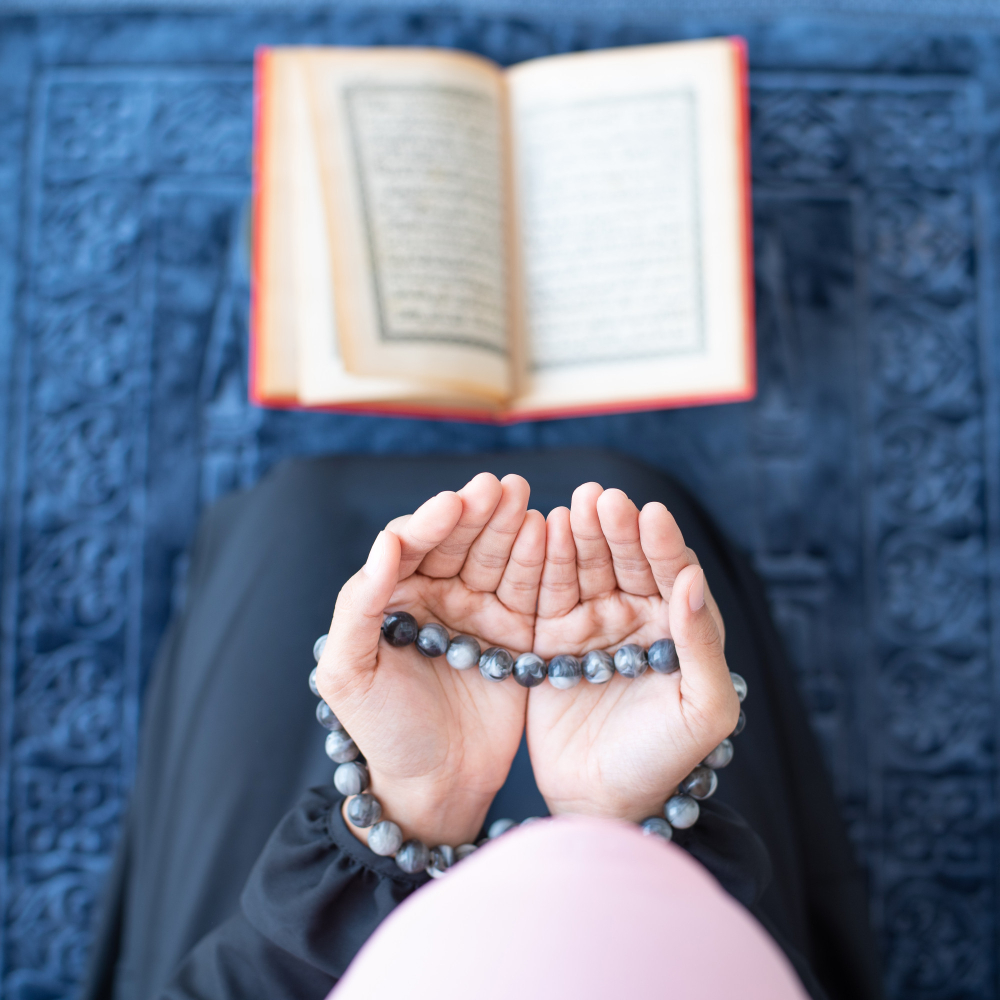
Fajr, Dhuhr, Asr, Maghrib and Isha - What Each One Means
Dhuhr – starts once the sun passes its highest point
Asr – begins in the afternoon; the exact start can vary slightly depending on which school of thought you follow
Maghrib – begins right after sunset
Isha – begins once the evening twilight has fully faded
If you're planning to pray at your local mosque, keep in mind that the congregation (Jama'ah) time can differ slightly from the calculated prayer time. It's worth checking both before you head out.
Today's Prayer Timetable for Birmingham
Sunrise itself isn't a prayer time, but it marks the end of the Fajr window, so it's still worth knowing when it falls each day.
On Fridays, Dhuhr is replaced by Jumu'ah - the weekly congregational prayer where the community gathers to hear the Khutbah (sermon) before praying together. Since mosques across Birmingham set their own Jumu'ah times, it's a good idea to check with your local mosque in advance.
Why Do Prayer Times Change Every Day?
A lot of people notice their prayer app shows slightly different times each morning and wonder why. The answer comes down to the sun. As the Earth moves through its orbit, daylight hours grow longer or shorter depending on the season, and that shifts when each prayer begins.
In summer, Birmingham gets more daylight, so Fajr comes earlier and Maghrib and Isha come later. In winter, it's the opposite - shorter days push Fajr later and bring Maghrib forward. This is exactly why it pays to check today's timetable rather than assuming yesterday's times still apply.
You might also notice small differences between apps or organisations. This usually comes down to the calculation method used for Fajr and Isha specifically, since different Islamic authorities apply slightly different angles for calculating twilight. None of these are "wrong" - they're just based on different, recognised scholarly approaches. On top of that, your local mosque may set its own Jama'ah time to suit its congregation. Whichever timetable you follow, the key is staying consistent.
Why Do Prayer Times Change Every Day?
The Qur'an is clear that prayer has been set at specific times:
"Indeed, prayer has been decreed upon the believers a decree of specified times." (Qur'an 4:103)
Praying within its appointed window isn't just a technicality - it's an act of obedience and consistency in worship, whether you're at home, at your desk, or in the mosque.
A Few Habits That Help
Check the day's prayer times each morning
Set reminders on your phone
Keep a prayer mat handy at home or at work
Perform Wudu ahead of time where you can
Try to join congregational prayers at your local mosque when possible
Small habits like these make it much easier to stay consistent, even on busy days.
And alongside your prayers, it's worth remembering the people who don't have it as easy - families affected by poverty, conflict or disaster around the world. A du'a for them costs nothing, and supporting them through Zakat or Sadaqah can make a real difference.
Finding the Qibla Direction in Birmingham
Every prayer, whether obligatory or voluntary, needs to be performed facing the Qibla - the direction of the Ka'bah in Makkah. It's one of the simplest ways Muslims around the world stay unified in worship, no matter where they are.
Working this out used to require a compass and some maths. Now, GPS-based apps and online Qibla finders can calculate the exact direction from your location in seconds, using great-circle calculations to find the shortest path to the Ka'bah. This is especially handy if you're praying somewhere unfamiliar or travelling.
A few reliable ways to check:
A trusted online Qibla finder
A smartphone app with location services turned on
A compass, if you already know the bearing
The direction marked inside your local mosque
From Birmingham, the Qibla sits at roughly 117° from true north - though a digital tool will always give you a more precise reading for your exact location.
Whether you're praying at home, in an office prayer room, at university, or on the road, taking thirty seconds to double-check the Qibla means you can pray with confidence.
Prayer and Community Life in Birmingham
Birmingham has a large and active Muslim community, and its mosques and Islamic centres play a big part in daily religious life - not just for prayer, but for education and charitable work too.
Congregational prayer: while the actual start time of a prayer is fixed by the sun's position, each mosque sets its own Jama'ah time for the congregation, which can be a little later. Always worth checking your mosque's published schedule before heading over.
Jumu'ah: with so many mosques serving different communities across the city, Friday prayer times vary from one mosque to another. Getting there a little early gives you time to settle in, listen properly to the Khutbah, and get the full benefit of the week's most important prayer.
Final Thoughts
Keeping track of accurate Birmingham prayer times helps you stay on top of your Salah, no matter how the seasons - or your schedule - change. It's a small daily habit that keeps faith at the centre of everyday life.
But prayer isn't only about timing. It's a moment of gratitude, reflection, and connection - and a reminder of the people who need our support. Alongside your five daily prayers, consider setting aside something for those facing poverty, conflict or hardship through Zakat and Sadaqah.
May Allah (SWT) accept your prayers and your charity, and grant ease and blessings to you and your loved ones. Ameen