Leicester Namaz Times
How Prayer Times Are Worked Out for Leicester
For Muslims in Leicester, praying at the right time each day matters. Since the sun's position changes throughout the year, prayer times shift daily too. Rather than following fixed clock times, each prayer is worked out using the sun's movement, marking the start of Fajr, Dhuhr, Asr, Maghrib and Isha.
Whether you have lived in Leicester for years, are studying here, or are just visiting, knowing how these times are calculated helps you pray with confidence and stick to a timetable rooted in sound Islamic practice.
Allah says in the Qur'an:
"Indeed, I am Allah. There is no deity except Me, so worship Me and establish prayer for My remembrance."
(Qur'an 20:13–14)
At Human Aid Foundation, we see Salah as something that draws us closer to Allah while also building compassion for others. The habit of praying regularly reminds us to be thankful for what we have and pushes us to help those going through hard times, through Zakat, Sadaqah and other charitable giving.
Facing the Qibla
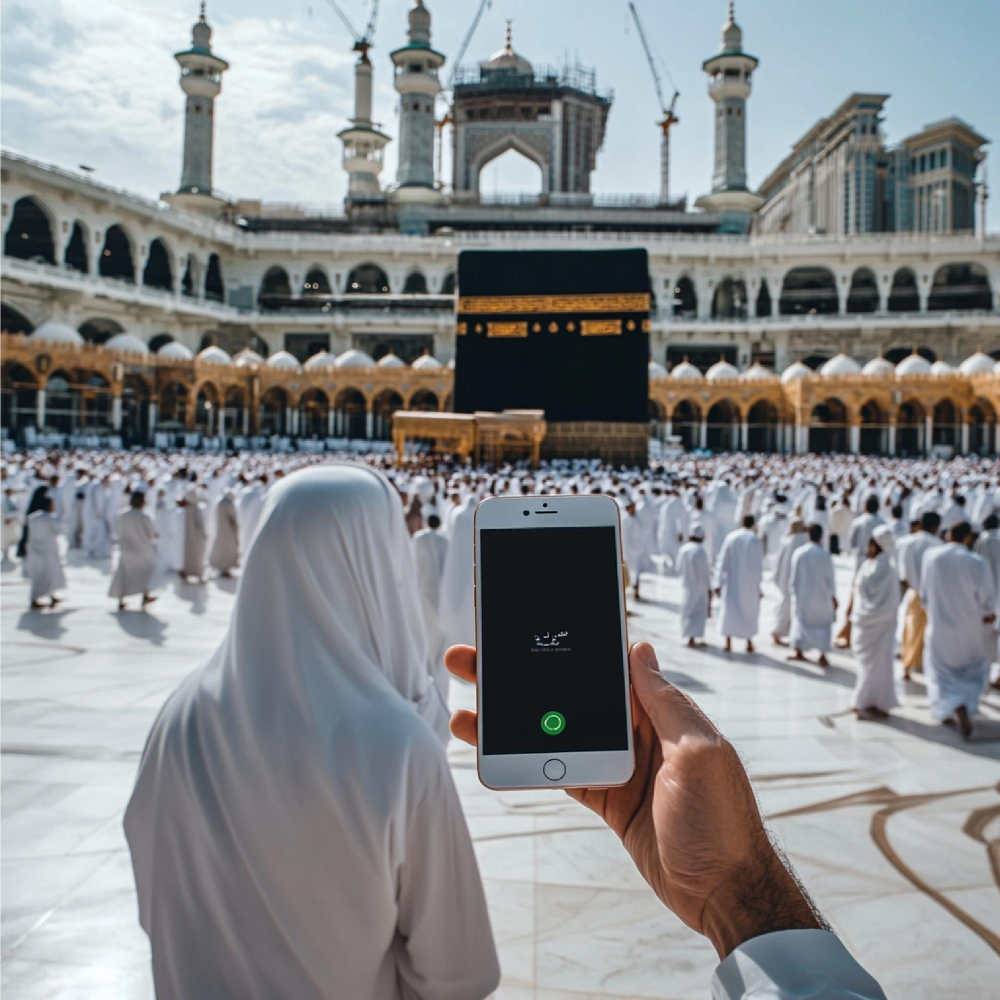
Every Muslim faces the Ka'bah in Makkah during Salah. This direction is called the Qibla, and it connects Muslims everywhere, no matter where they live.
From Leicester, the Qibla sits at roughly 118° from true north, towards the east-south-east. Prayer apps, digital compasses and most local mosques can help you find this direction easily. If you're praying somewhere unfamiliar, it's worth taking a moment to check the Qibla before you begin.
Facing the Qibla is a requirement of Salah for anyone able to do so. Muslims across the world turn towards the same sacred house during prayer, which is a simple but powerful reminder that we all worship one Lord. Every day, millions of people stand in prayer facing the Ka'bah, a bond that goes beyond nationality, language or culture.
If you're ever unsure of the direction, your local mosque is usually the most reliable reference, since its prayer hall will already be aligned correctly.
How Mosques Work Out Daily Prayer Times
Prayer times aren't guessed or set manually each day. They're based on the sun's position, calculated well in advance so mosques and Islamic organisations can publish full-year timetables.
Fajr begins at first light. Dhuhr starts shortly after the sun passes its highest point. Asr begins once an object's shadow reaches the length set out in the relevant juristic opinion. Maghrib follows straight after sunset, and Isha begins once night has properly set in.
You might notice small differences in the times shown by different apps or mosques around Leicester. This usually comes down to a mosque adding a short delay before the congregational prayer, different Islamic authorities using slightly different calculation methods, or small local adjustments, particularly for Fajr and Isha. These gaps are normally just a few minutes and don't mean one timetable is wrong.
Daily timetables show when each prayer begins, but mosques also publish separate times for the congregation itself and for Friday prayer. If you regularly attend a particular mosque, it's best to follow its own timetable for congregational prayer, since this keeps the local community praying together.
Which Calculation Method Should You Follow?
Several recognised methods are used across the Muslim world. They're all based on the same astronomical principles but differ slightly in how they fix Fajr and Isha.
The biggest differences between methods show up in Fajr and Isha, since both depend on how far the sun sits below the horizon during twilight, and scholars don't all agree on the exact angle. Maghrib and Dhuhr barely change between methods, as they're tied directly to sunset and solar noon.
For most people in Leicester, the simplest approach is to follow whichever timetable your local mosque uses. This keeps things consistent for congregational prayer. If you rely on an app, it's worth checking that its calculation method matches your mosque's.
Prayer and Charity Together
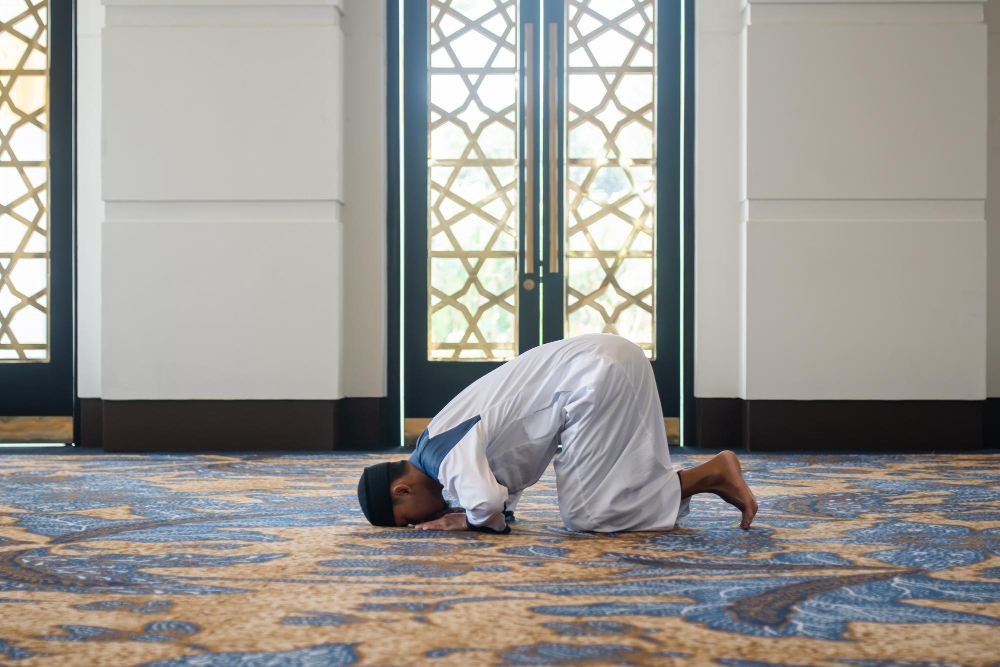
Salah is more than a daily duty. It's a chance to stay grateful, patient and mindful of Allah throughout the day. Many Muslims use the moments after Salah to make du'a for their families and communities, and to think about how they can help people who are struggling.
At Human Aid Foundation, we believe worship and charity go hand in hand. Alongside your daily prayers, consider supporting people who lack food, clean water, education or emergency relief. Giving through Zakat, Sadaqah and Sadaqah Jariyah can change lives while earning Allah's pleasure.
Frequently Asked Questions
Prayer times are based on the sun's position, which shifts slightly each day throughout the year. As a result, the start times for Fajr, Dhuhr, Asr, Maghrib and Isha move a little from one day to the next.
This usually happens because of small differences in calculation method, a short delay some mosques add before the congregational prayer, or minor local adjustments, especially for Fajr and Isha. The gap is normally only a few minutes.
There's no single method that everyone must use. The simplest approach is to follow whichever method your local mosque follows, since this keeps your prayer times consistent with your community's congregational prayer.
The Qibla from Leicester is roughly 118° from true north, towards the east-south-east. You can check this using a prayer app, a digital compass, or by asking at your local mosque, which will already be aligned correctly.
Fajr and Isha depend on how far the sun sits below the horizon during twilight, and different Islamic authorities use slightly different angles for this. Dhuhr and Maghrib change very little between methods, since they're tied directly to solar noon and sunset.
By keeping to accurate prayer times, remembering others in your du'a, and giving where you can, we aim to fulfil our duties to Allah and to the people around us.