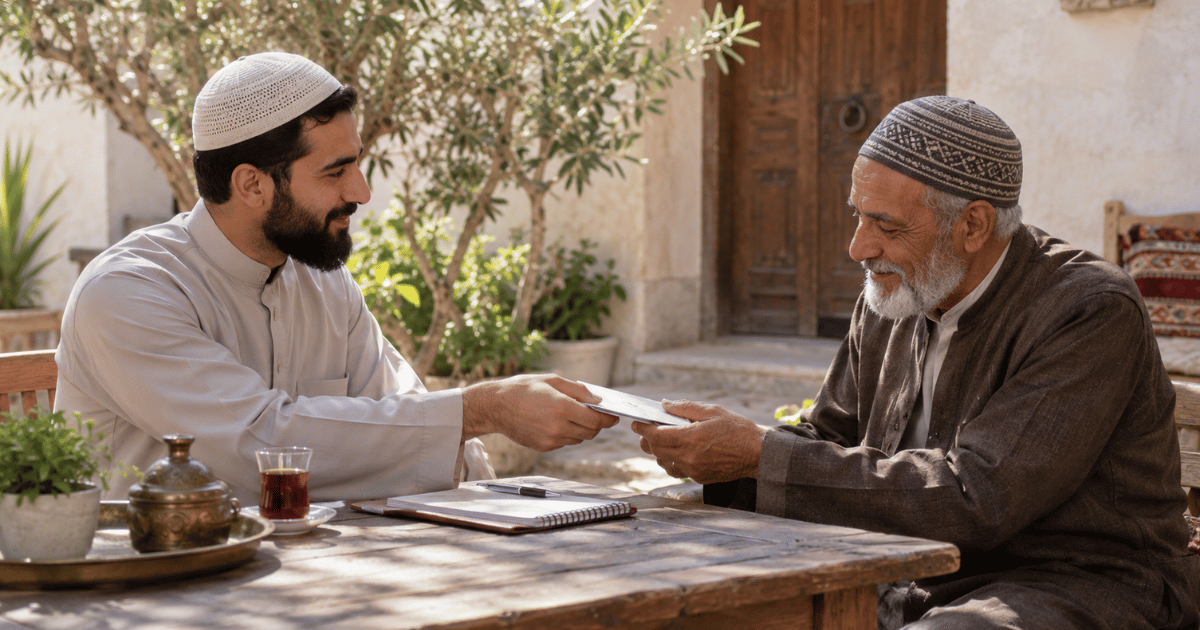
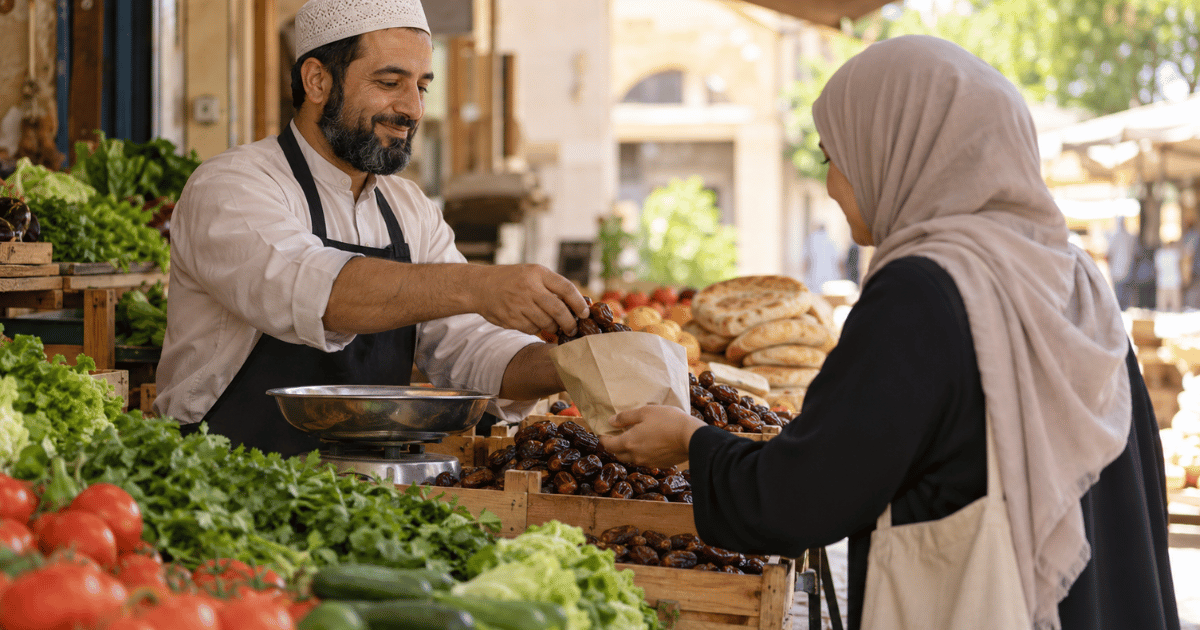
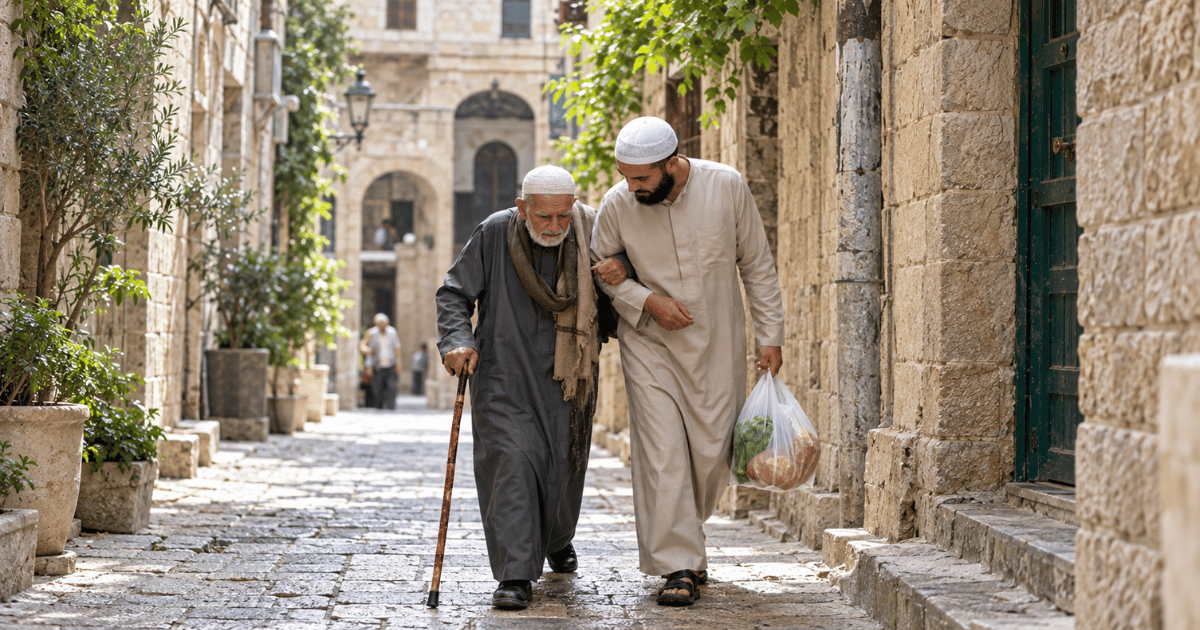
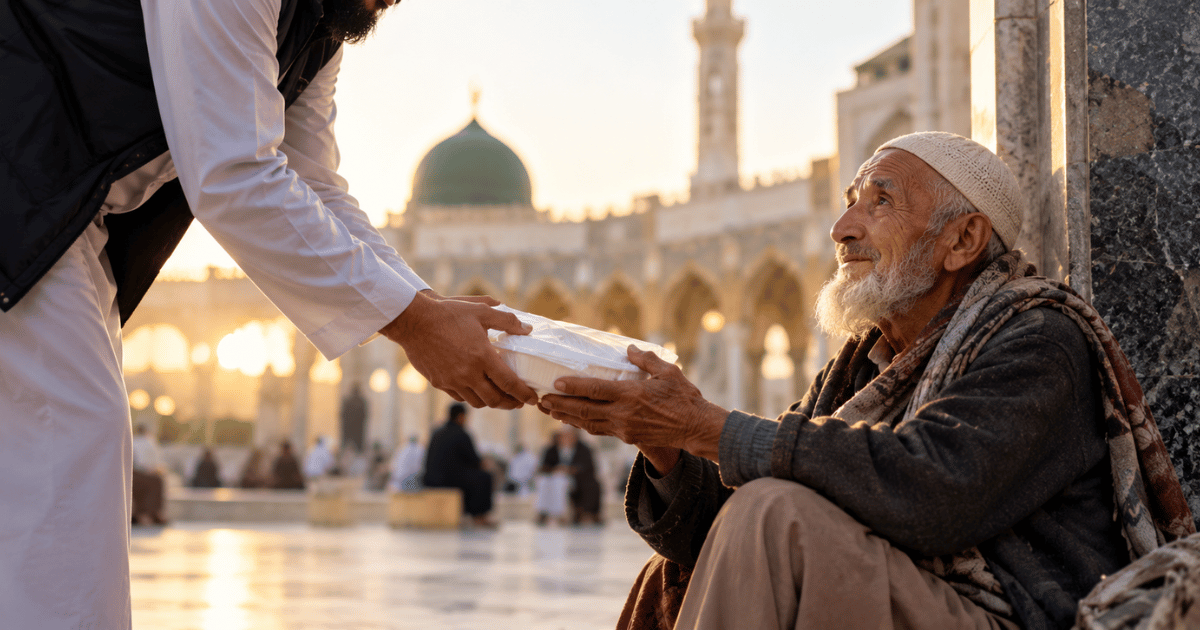
A continuing act of charity that keeps generating reward for the giver long after the donation is made. Read HAF's short guide to Sadaqah Jariyah.
Zakat
Zakat is an obligatory form of charity in Islam, requiring eligible Muslims to give a set portion of their qualifying wealth to those in need.
Nisab
Nisab is the minimum wealth at which Zakat becomes due, set against weights of gold and silver. Learn how the two thresholds differ and which one to use.
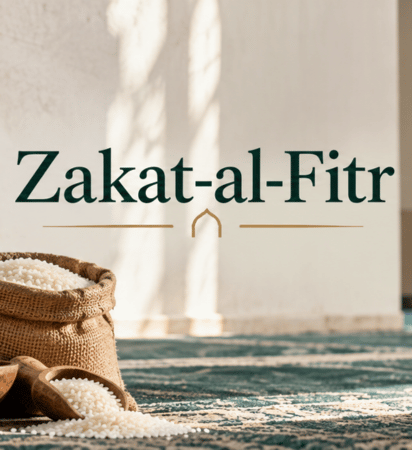
Zakat-al-Fitr
Zakat al-Fitr, or Fitrana, is the charity given at the end of Ramadan. Learn who pays it, how much is due, and why it must reach the poor before Eid prayer.
Fidya
Learn who must pay Fidya, who is exempt, and the difference between Fidya and Kaffarah for missed Ramadan fasts.
Kaffarah
Kaffarah is owed for breaking certain serious rules on purpose, such as a Ramadan fast. Learn what it involves, when it applies, and how it differs from Fidya.
Lillah
Lillah means giving for the sake of Allah. Learn what the word covers, why mosques keep a separate Lillah box, and how it differs from Zakat and Sadaqah.
Waqf
A waqf is property held permanently so only its income is given to charity. Learn how it works, where the idea began, and how it differs from Sadaqah Jariyah.
Sadaqah
Sadaqah means charity given to please Allah, and it covers far more than money. Learn what counts, who can receive it, and why Zakat is a type of Sadaqah.
Qurbani
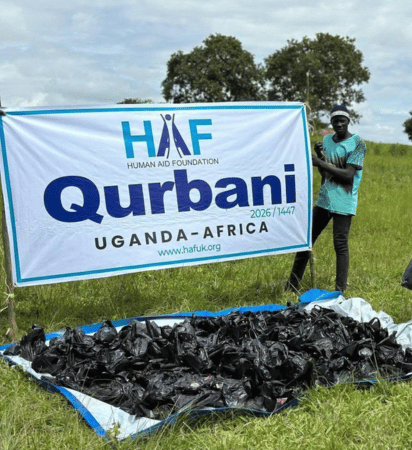
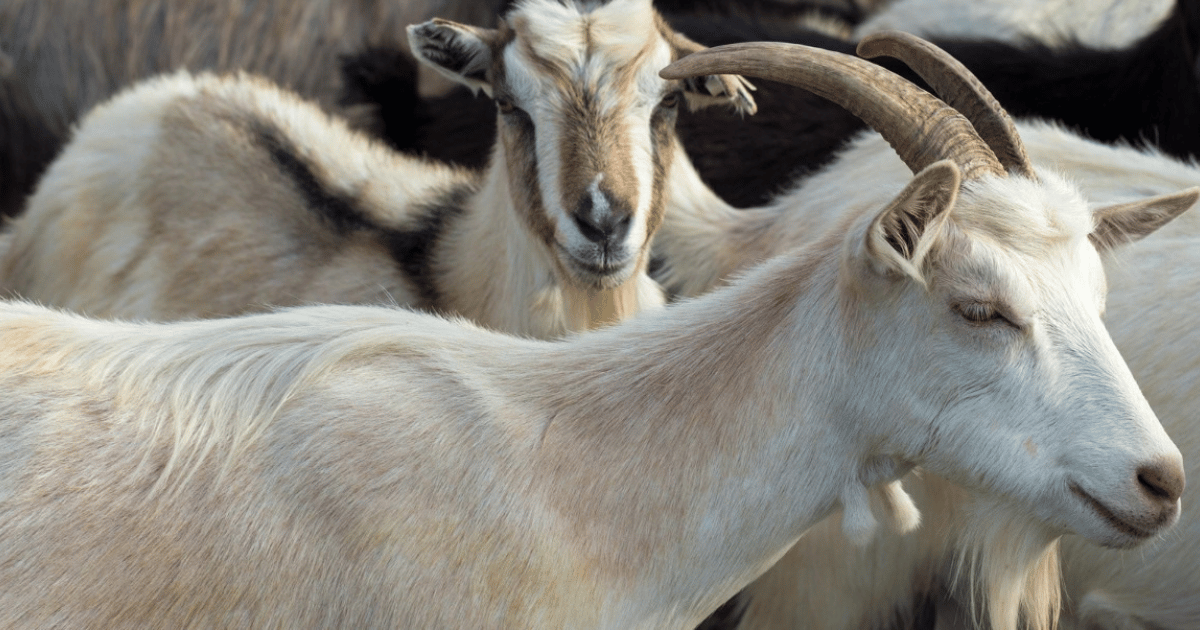
Qurbani is the Eid al-Adha sacrifice. Learn who it applies to, which animals count, when it must be done, and why timing matters.
Aqiqah
Aqiqah is the sacrifice made to give thanks for a new baby. Learn when it is done, how many animals are given, and what happens if the seventh day is missed.
Kafalah
Kafalah means taking responsibility for an orphan. Learn who counts as an orphan in Islam, what sponsorship covers, and why kafalah is not the same as adoption.
Yatim
Yatim, or Yateem, means orphan in Arabic. Learn who counts as an orphan, when orphanhood ends, and how the Qur'an protects orphans and their property.
Ushr
Ushr is the zakat paid on what land produces. Learn the two rates, which crops it applies to, and whether it is owed on farmland you own from abroad.
Laylatul Qadr
Laylatul Qadr is the night the Qur'an calls better than a thousand months. Learn when it falls, why the exact night is hidden, and what to do during it.
Ramadan
Ramadan is the Islamic month of fasting. Learn what the name means, who must fast, who is excused, and what does and does not break a fast.
Eid al-Adha
Eid al-Adha is the Festival of Sacrifice on the tenth of Dhul Hijjah. Learn how the Eid prayer works, the sunnahs of the day, and why fasting is not allowed.
Asnaf
Asnaf means the eight categories of people who may receive Zakat. Learn why the list is closed, whether you must give to all eight, and who cannot receive it.
Faqir
Faqir is the Arabic word for a poor person and the first of the eight Zakat categories. Learn how it differs from miskin and how poverty is actually measured.
Fi-Sabilillah
Fi Sabilillah means "in the path of Allah" and is the most argued-over Zakat category. Learn the classical reading, the modern one, and what it means for giving
Gharimin
Gharimin are people in debt they cannot repay, and the sixth of the eight Zakat categories. Learn which debts qualify, and how it works for UK borrowing.
Ibn al-Sabil
Ibn al-Sabil means the stranded traveller, and is the eighth Zakat category. Learn why someone wealthy at home can still qualify, and who it covers today.
Mu'allafat al-Qulub
Mu'allafat al-Qulub is the Zakat category for those whose hearts are to be brought closer. Learn how it was used, and whether scholars say it still applies.
Amilin
Amilin are those appointed to collect and distribute Zakat. Learn why they are paid rather than helped, who may be appointed, and the rule against gifts.
Hawl
Hawl is the lunar year wealth must be held before Zakat is due. Learn how to set your Zakat date and manage money received mid-year.
Sahib-e-Nisab
Sahib-e-Nisab means someone whose wealth has reached the nisab. Learn what it makes due - Zakat, Qurbani and Fitrana - and why each is measured differently.
Tamlik
Tamlik means transferring ownership. It is why Zakat must become a person's property rather than being spent on their behalf, and why it cannot build a mosque.
Riqab
Riqab is the Zakat category for freeing people held in bondage. Learn what it covered historically and what scholars say it means now that slavery is abolished.
Rikaz
Rikaz is treasure found buried in the earth, and a fifth of it is given away. Learn why the rate is eight times higher than Zakat, and what it means in Britain.
Qard Hasan
Qard Hasan is an interest-free loan repaid in the same amount. Learn its Islamic rules, why the Qur’an calls charity a loan, and how it works in Britain.
Halal
Halal means permitted in Islam. Learn its five categories, why permission is the default, and what halal earnings mean.
Haram
Haram means forbidden in Islam. Learn its two types, exceptions in cases of necessity, and how to deal with doubtful matters.
Riba
Riba means increase, and in Islamic law it means unlawful gain from lending or unequal exchange. Learn what it covers, why trade is different, and what to do.
Ihsan
Ihsan means excellence - worshipping Allah as though you see Him, and treating others better than they are owed. Learn what it means and how it shapes giving.
Infaq
Infaq means spending wealth on family and those in need. Learn what it covers in the Qur’an and how it differs from Sadaqah.
Barakah
Barakah means blessing - good that settles on something and keeps producing. Learn what it is, what removes it, and why it is not a return on your donation.
Sawm
Sawm means fasting. Learn about Ramadan, voluntary fasts throughout the year, and the days when fasting is not allowed.
Suhoor
Suhoor is the meal eaten before dawn by someone fasting. Learn why it is called blessed, when it must end, and what the imsak time on British timetables means.
Iftar
Iftar is the meal that breaks the fast at sunset. Learn when to eat, what to break your fast with, and the established supplications.